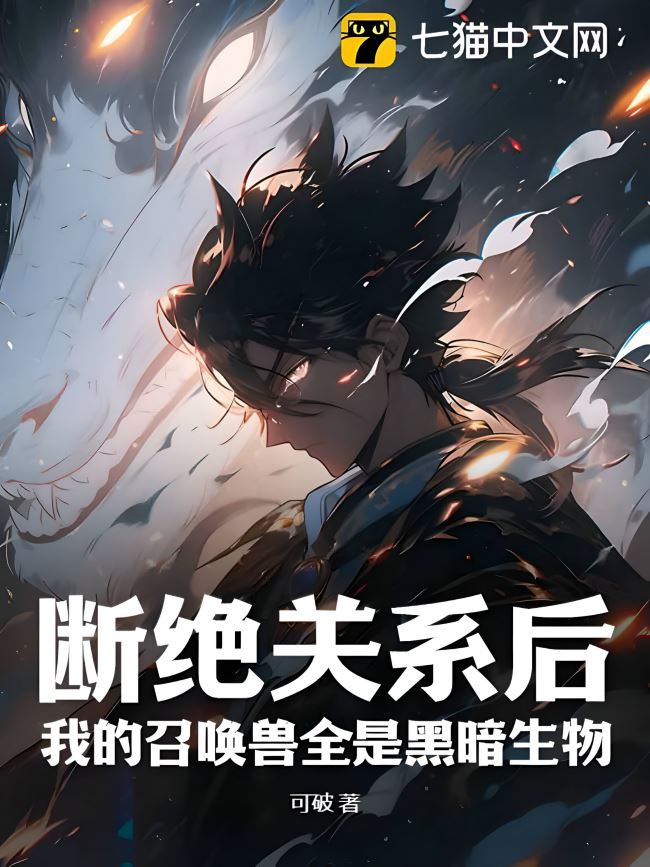
This story has all the hallmarks of a classic bragging tale, reminiscent of many Chinese novels where characters continuously boast about their connections. You know the type—where every other character seems to have a cousin or a friend who once crossed paths with a significant figure during an inconsequential encounter, such as buying milk. It creates an atmosphere that feels somewhat exaggerated and inauthentic.
The initial phase involving the summoning aspect is intriguing and grabs your attention. However, as the plot progresses, the battles become increasingly repetitive and tedious. The recurring theme of the peanut gallery—those annoying bystanders who incessantly commentate and challenge the main character out of sheer pride—adds to the frustration. This forced dynamic of establishing a pecking order only serves to drag the narrative down, especially when the tables inevitably turn and the protagonist shows them who’s boss.
My reading experience remained somewhat enjoyable until approximately chapter 250. At this juncture, the author attempts to inject some freshness into the storyline by withholding certain summoned creatures, including crucial ones equipped with debuff abilities that had previously formed the cornerstone of the protagonist's strategies in dire situations. This sudden limitation thrusts our typically indomitable MC into a tense scenario where he can actually sustain damage, experience fear, and grapple with the overwhelming strength of opponents far beyond his level.
Unfortunately, this shift doesn't seem to lead to any meaningful difference in the overarching story. Instead, the author stretches out the fights unnecessarily, recycling descriptions of the same moves and strategies while prioritizing the clashes between the two strongest summons. This consistent repetition becomes grating, ultimately sapping my motivation to continue reading. It boggles the mind that the MC—the very essence of cunning and resourcefulness—doesn't utilize all of his summoned allies when facing such formidable foes, especially given the life-threatening stakes at hand. This kind of selective restriction feels artificial and manipulative, seemingly designed to maintain reader engagement but executing it poorly.
Moreover, the author's attempt to pivot the narrative in this manner feels awkward and poorly executed. The logical continuity has faltered, and rather than enhancing the complexity of the plot, it instead generates a sense of confusion and dissatisfaction. Overall, the experience of reading this novel starts strong but gradually devolves into a frustrating cycle of monotony, where the potential of an engaging story is overshadowed by repetitive conflicts and illogical character behavior.