Summary

... Read More

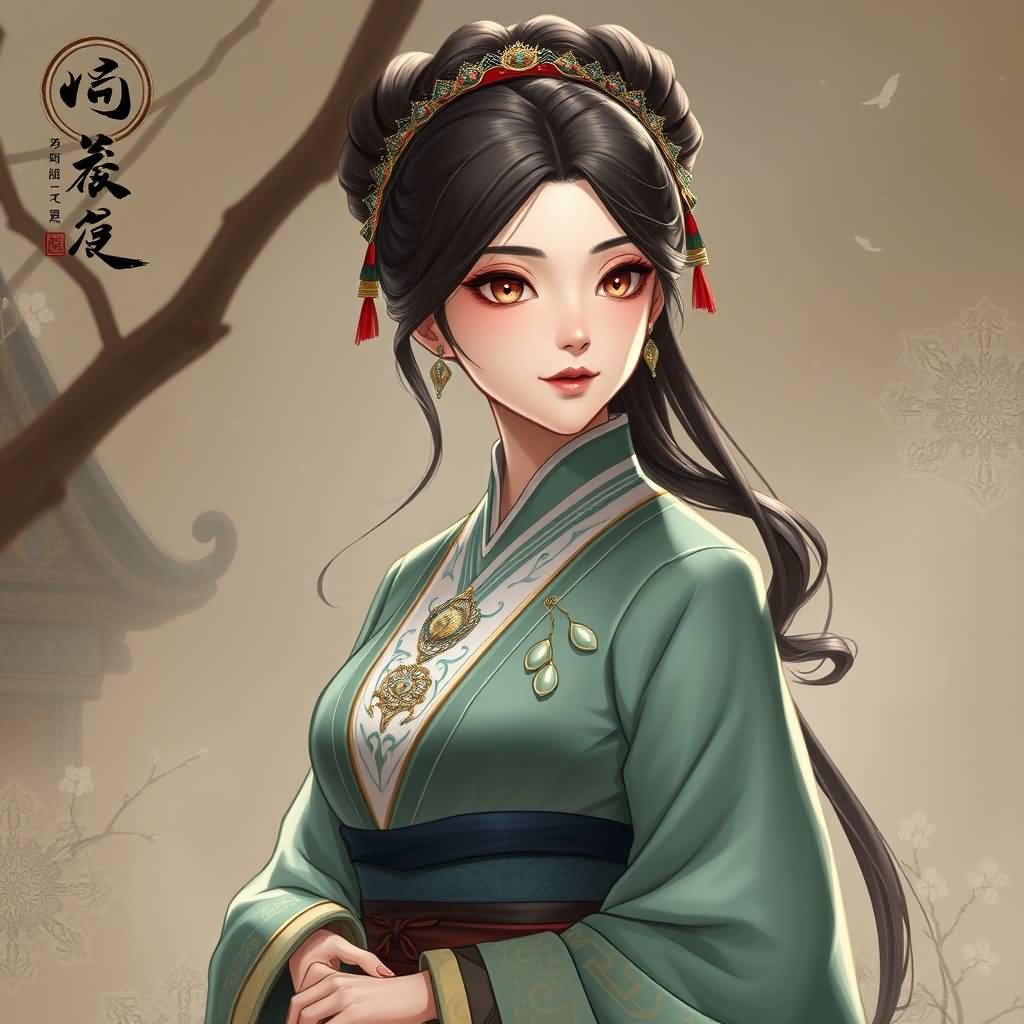
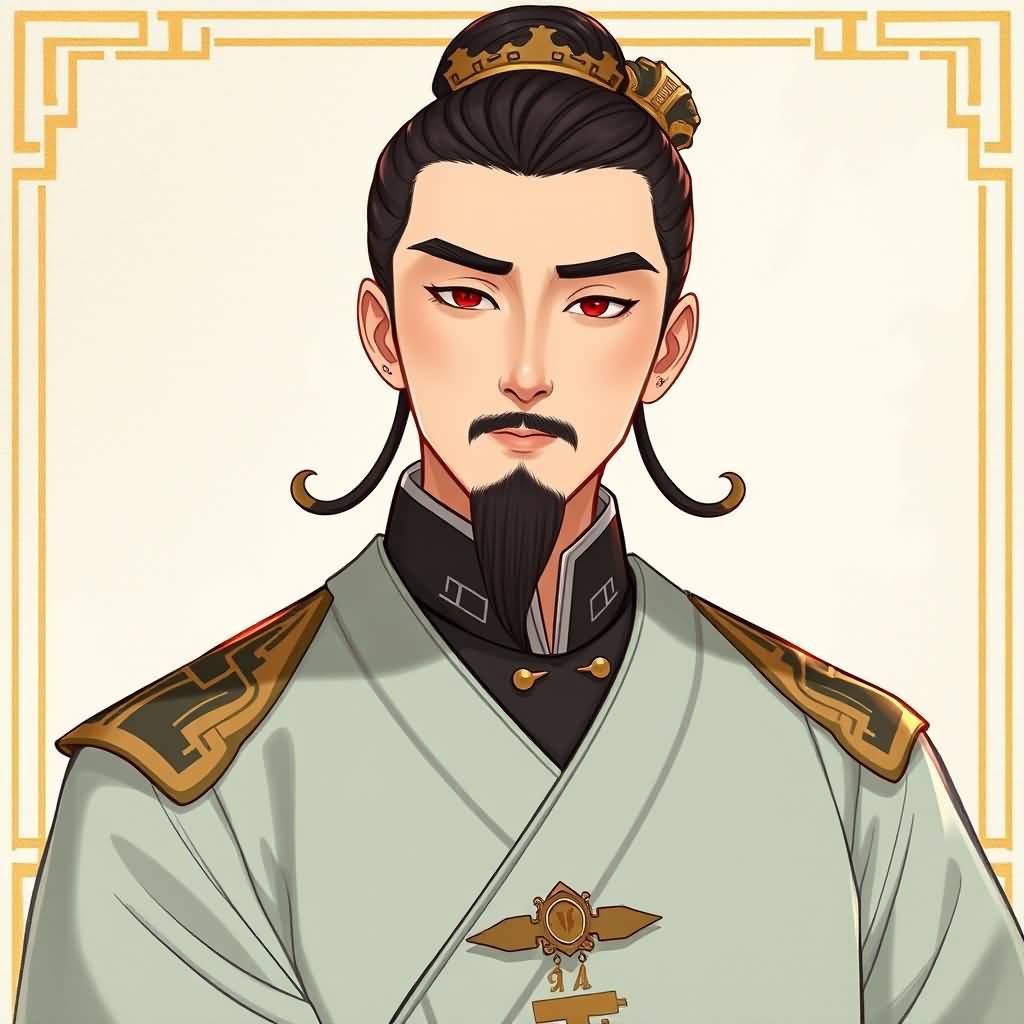
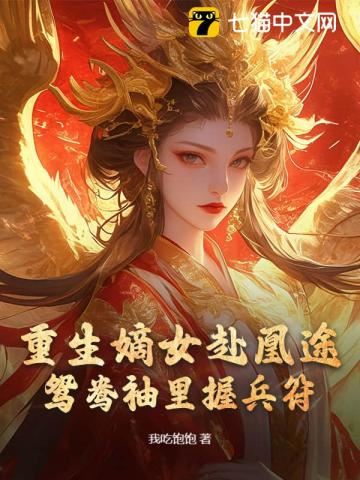
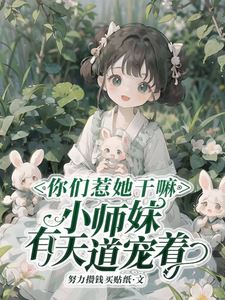
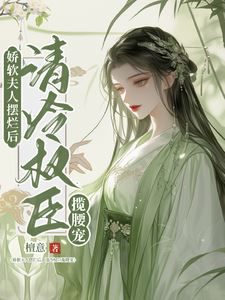
Wen Jiayue wakes in the dim room, the stench of blood in the air, and finds herself back in her bed at the Marquis Manor. She had killed the Eldest Princess and died, but now she is alive, her body aching from childbirth. Shen Fuhan enters, and her anger erupts. She accuses him of neglect, of never caring for her or their daughter, of only pursuing power. He questions her about letters and the Eldest Princess, but she is consumed by bitterness. A wet nurse arrives with a child, saying the young mistress has woken. Wen Jiayue is confused—her daughter Zhao Zhao is three years old, but the wet nurse says she has just given birth. Realization dawns: she has been reborn on the day her daughter was born. Overwhelmed, she faints.

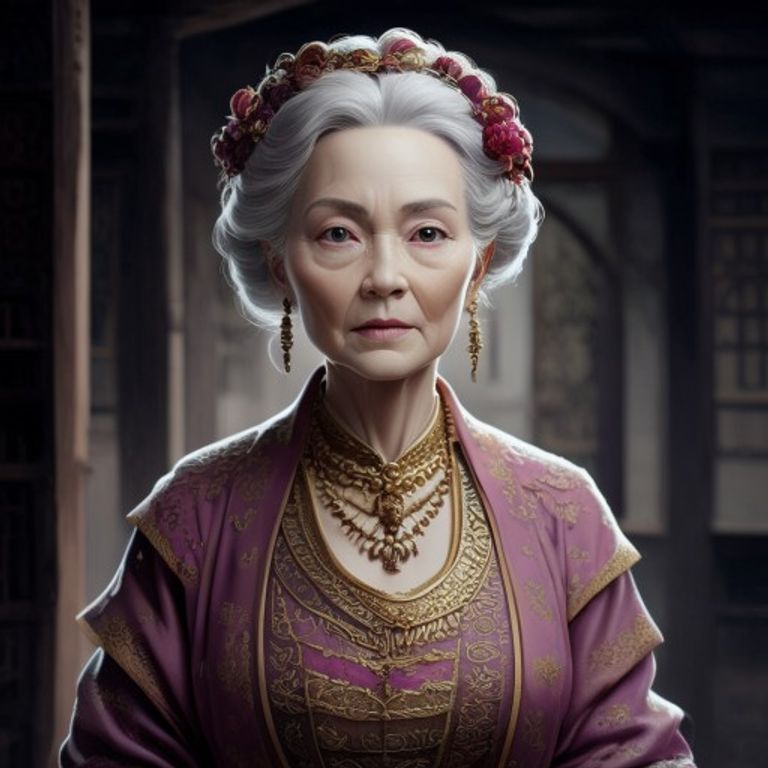
When she wakes, she sees Ruyi, her loyal maid who was murdered in her past life. Wen Jiayue weeps, vowing to protect her this time. Old Madam barges in, enraged that Wen Jiayue has given birth to a girl, and tries to take the child. Wen Jiayue refuses, holding her daughter tight. Shen Fuhan is absent, summoned by the Emperor. Wen Jiayue plans to divorce Shen Fuhan, who she knows will eventually be with the Eldest Princess, but she fears for her daughter. Old Madam threatens her, but Wen Jiayue stands firm, using the memory of her daughter’s cold body in her arms to find strength. Ruyi is slapped for intervening, and Wen Jiayue tends to her wound.

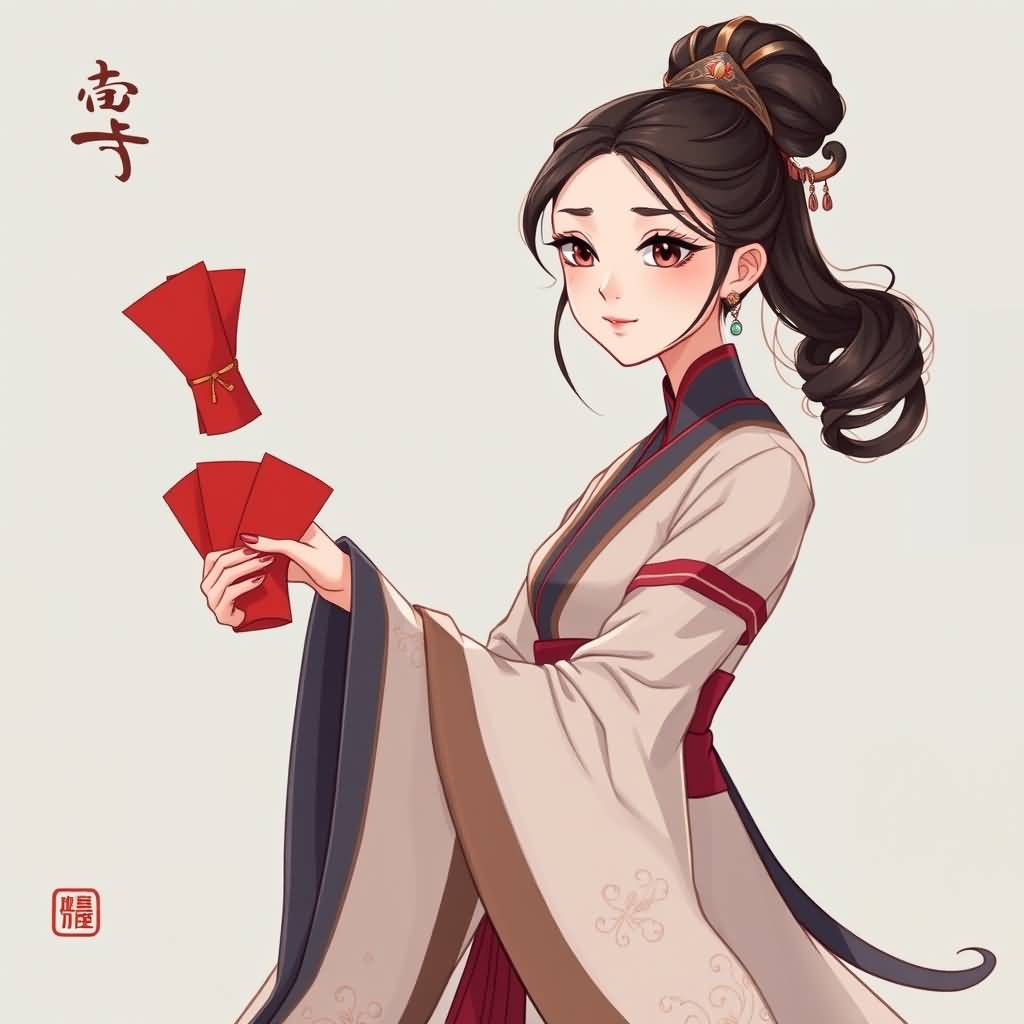
Wen Jiayue decides to feed her daughter herself, dismissing the wet nurse who had drugged Zhao Zhao in the past. She keeps Zhao Zhao by her side, planning to select a new wet nurse carefully. Shen Funian, her arrogant sister-in-law, mocks her for giving birth to a girl and accuses her of using the child as confidence. Wen Jiayue provokes her, even suggesting Shen Fuhan take concubines, shocking everyone. Shen Fuhan returns and overhears. Shen Funian tries to sow discord, claiming Wen Jiayue loves another man, but Shen Fuhan dismisses her. Shen Funian gives a red envelope for the baby, but Wen Jiayue lets it fall, and Shen Fuhan picks it up.

Alone with Shen Fuhan, he asks why she wants the child to sleep with her. She insists on keeping her daughter close, tired of explaining. He decides to sleep in the room, which he had not done since her pregnancy. Wen Jiayue is surprised but plans to make him help care for the child, hoping it will foster his love for Zhao Zhao. She reflects on her past life, where she sacrificed everything for him, even during her postpartum confinement. Now, she will live for herself and her daughter, not for him. She orders fish soup for the next night, intending to eat it in his presence despite his dislike of the smell.

Wen Jiayue’s rebirth grants her the chance to change the past. She knows the wet nurse is dangerous, Ruyi will be murdered next year, and Zhao Zhao will be killed by the Eldest Princess. She is determined to prevent these tragedies. Old Madam and Shen Funian remain hostile, but Wen Jiayue no longer submits. She has already killed the Eldest Princess in her previous life and will face the consequences, but she is not a murderer seeking revenge—she is a mother protecting her child. Shen Fuhan’s indifference stings, but she embraces the cold reality: she does not love him anymore.

Her ultimate goal is to raise her daughter safely and escape the toxic confines of the Marquis Manor. Divorce is the only way, but she must ensure Zhao Zhao’s wellbeing. She will not let her daughter fall into the hands of others again. As she schemes, she remembers the early return of Shen Fuhan this time, a deviation from her past life. She knows each choice now will alter fate, and she is ready to seize every opportunity to rewrite the ending. Her heart is set on revenge, but not against Shen Fuhan—it is against the circumstances that led to her daughter’s death. She stands resolute, a phoenix reborn from the ashes of her past, ready to navigate the treacherous waters of the Marquis Manor with a newfound strength and a fierce, protective love.

Her journey will be one of defiance and survival, as she unravels the mysteries of her rebirth and fights to secure a future where Zhao Zhao lives and thrives. The secrets of her past life, from the wet nurse’s betrayal to Ruyi’s murder, will be confronted head-on. Wen Jiayue walks a thin line between caution and confrontation, knowing that every action this time must be calculated to protect her daughter. The Eldest Princess will not take her revenge without resistance, and Shen Fuhan’s indifference must be leveraged if she is to leave with her child. This is her story of rebirth, not as a victim, but as a warrior mother ready to burn down the world for her daughter.

Associated Names

娇软夫人摆烂后,清冷权臣揽腰宠
Latest Release
DateGroupRelease
2026-05-29lightnovelasia c355
2026-05-29lightnovelasia c354
2026-05-29lightnovelasia c353
2026-05-29lightnovelasia c352
2026-05-29lightnovelasia c351
2026-05-29lightnovelasia c350
2026-05-29lightnovelasia c349
2026-05-29lightnovelasia c348
2026-05-29lightnovelasia c347
2026-05-29lightnovelasia c346
2026-05-29lightnovelasia c345
2026-05-29lightnovelasia c344

Community Reviews

Rating(4.1 / 5.0, 36votes)
5 stars
15(42%)
4 stars
4(11%)
3 stars
11(31%)
2 stars
0(0%)
1 stars
0(0%)

Popular reviewsMore Reviews»

... Read More
This novel can essentially be classified as a romance, revolving around the metaphorical "warming up" of a block of wood, with the male lead (ML) representing that very block. Throughout the story, we witness a long and arduous journey, where the female lead (FL) seems relatively powerless or weak, often waiting on the sidelines as her feelings and desires unfold. While there exists an undercurrent of political intrigue and themes of revenge in the backdrop, the primary focus remains on the romantic elements between the leads. However, I found myself longing for a quicker pace; the story could have benefitted from accelerating the plot development. Moreover, the number of intimate scenes between the leads is somewhat overwhelming; it feels as though nearly every single chapter is saturated with moments of physical closeness. I can't help but question the heavy emphasis placed on the male lead's lust for the female lead's body. This focus can sometimes detract from the emotional depth of their relationship, making it seem more superficial than it deserves to be. A more balanced approach, with fewer intimate scenes and a sharper emphasis on character development and plot progression, could have enriched this narrative significantly. Overall, while the romantic tension is palpable and the story does have its merits, I believe it would have been a more rewarding read if a greater variety of themes and pacing had been integrated into the plot.
... Read More
In my opinion, this novel is quite engaging and offers a unique perspective on the struggles of its main character, the female lead (FL). I understand why some readers might criticize her as weak or perceive her rebirth as fruitless, and even question her enduring love for her husband, despite his betrayal. However, I believe her actions and feelings are influenced by her circumstances and background. It's crucial to recognize that the FL's experience isn't one of total transmigration into another world, but rather a rebirth that keeps her rooted in her past reality. She only possesses the painful memory of her husband’s infidelity, which ultimately led him to allow the demise of both her and their daughter so he could be with his mistress. The FL hails from an ancient society, one that ingrained in her the belief that a man's authority and desires reign supreme. Even after becoming emotionally numb and contemplating a divorce, her reluctance to part with her child speaks volumes about the emotional complexities she faces. Her mindset in her past life, although it may not resonate with modern values, is not inherently flawed for a woman of her time. She rationalized her husband's indifference and absences as the unfortunate but acceptable norm. After all, he was supposed to be the breadwinner while she managed the household—a common arrangement in historical contexts. However, her interpretations of his actions—like assuming he would be repulsed by her cooking or that he disliked children—only fuel her own misery, distorting her understanding of their relationship. It's poignant to note that while the FL indeed suffered and faced abuse, much of her pain came from internalized beliefs shaped by her upbringing. This reflection on the mindset of women in ancient societies is particularly well depicted in the novel, serving as a critique of those values rather than an endorsement. As for the male lead (ML), he embodies an indifferent demeanor, yet he treats the FL with a semblance of care. His belief system also originates from the era’s social norms, where men worked and women were expected to manage the domestic sphere. This perspective explains why he fails to recognize the depth of his wife's suffering or the misunderstandings that arise between them. I do believe that at times, the ML's actions can come off as dismissive, especially when he is aware of the FL's discomfort but opts for vague reassurances instead of straightforward communication. Overall, while I enjoy the story, I find certain portions to be somewhat repetitive. The FL's negative thoughts and self-doubt tend to circulate, which sometimes necessitates skimming over those segments. Nevertheless, the novel captivates with its exploration of complex emotions and societal pressures, painting a rich tapestry of life in ancient times that resonates with readers on various levels. I appreciate the nuanced storytelling and character development, which invites readers to reflect on the historical contexts that shape individual experiences.
... Read More
I find myself genuinely enjoying this story. The pacing is deliberate, allowing the narrative to unfold gradually, with a strong emphasis on the relationship between the husband and wife. This focus creates a rich emotional landscape, providing readers with an intimate glimpse into their dynamics. What pleasantly surprised me is the absence of the typical heavy-handed confrontations or dramatic face-slapping moments that I initially anticipated. Instead, the author takes a more nuanced approach, opting to delve deeply into the intricate web of relationships involving the female lead and her family. This exploration not only adds depth to the storyline but also gradually reveals the circumstances surrounding a tragedy that looms over the plot. As the story progresses, I find myself increasingly invested in the characters and their interactions. The slow unraveling of the past promises to be a captivating journey, and I look forward to seeing how the author will continue to craft this intricate tapestry of love, loss, and familial ties. Overall, this narrative stands out for its character-driven storytelling and the thoughtful development of its themes.
... Read More
I must say, I am thoroughly enjoying this novel so far! The story revolves around a meek and submissive woman who finds herself married to an emotionally distant and taciturn husband. Despite her efforts to maintain a peaceful existence within his household, she is subjected to mistreatment and neglect, as her husband remains blissfully unaware of her struggles. Believing everything is perfectly fine, he focuses solely on his work while she lives a life of quiet resignation. However, the turning point comes when our protagonist discovers that her husband is having an affair with a woman who has sinister plans to poison both her and her child. At that moment, she experiences a dramatic rebirth, finding herself transported back in time to the very moment before her baby is born—a full three years before her tragic demise. With her second chance at life, she is fueled by a desire for revenge, as well as a determination to live life on her own terms this time around—one in which she cuts off any lingering love for her husband. Unlike many protagonists in similar stories, she is neither a transmigrator nor does she possess any magical abilities or golden fingers. Instead, she finds herself armed with only a limited understanding of the future and the knowledge that she has been an unreliable narrator in her first life, blissfully unaware of the conspiracy that ultimately led to her downfall. As she navigates this second chance, our female lead becomes increasingly attuned to the nuances and intricacies of her surroundings. She delves into the political machinations and personal issues that contributed to her fatal end. Consequently, her demeanor becomes colder towards her husband, causing him to take notice of the changes in their relationship. To be honest, their marriage has always been fraught with problems, primarily due to their complete lack of communication. The male lead, despite his genuine care for her, remains emotionally obtuse, unaware of the depth of his feelings for her. He may treat her well, but he often resembles a rock—silent and unyielding, completely at a loss when it comes to expressing his emotions or confessing his love. Only when the female lead begins to withdraw her affection does he start realizing the gravity of his situation. I must admit, I revel in the turmoil he experiences; I want to see the female lead inflict even more emotional turmoil upon him, haha! While this tale unfolds slowly and places a significant emphasis on the romantic elements, it remains a captivating read that keeps me engaged. The character development, particularly the evolution of their relationship, adds depth to the story and makes me eagerly anticipate how things will unfold in the chapters to come.
... Read More
This story struck a deep chord with me, prompting vivid memories of my parents' divorce. The way it portrays a romance redemption arc intriguingly juxtaposed with a highly toxic familial dynamic left me both captivated and disturbed. It’s unsettling to witness such toxicity romanticized without addressing the harsh realities that often accompany such relationships. The author conveniently glosses over the inevitable yelling and betrayals that a male lead with such overwhelming desire would likely engage in. I mean, this guy seems ready to explode just from holding hands, and yet we’re led to believe he’d forgo concubines entirely? Only in fiction can such a premise stand without scrutiny. ### Main Character Reflection: I can generally overlook many aspects regarding female characters in historical settings, largely because they often reflect the oppressive circumstances of their time. These women typically lack agency and are conditioned to accept a reality that deviates significantly from our modern understanding. However, the protagonist's storyline is particularly troubling. Here we have a mother who, along with her child, is viciously betrayed by her own family, her husband, and his mistress. It’s heartbreaking and underlines the devastating impact of toxic relationships. Yet, despite the shocking betrayal and her gruesome fate, this character inexplicably remains captivated by her husband. While I initially understood her attachment—after all, she had pined after him long before her untimely demise—it becomes increasingly nonsensical as the narrative progresses. Even after 107 chapters, her thoughts remain disproportionately fixed on her unfaithful husband rather than her deceased daughter. At this point, my respect for her dwindled significantly. Particularly when considering that her husband is far from the devoted man he ought to be; he's the classic neglectful type, more concerned with his work than the well-being of his family. It's evident that had she continued to comport herself in a manner that pleased him, he would have remained indifferent and hardly returned home at all. Furthermore, there’s a glaring inconsistency in her willingness to allow him near their daughter. If I were to awaken in a new life after suffering such a betrayal—one where my partner had a hand in the horrific demise of my child—there would be no way I’d permit him any access to her. Being the father doesn’t excuse his actions. ### The Daughter's Role: In regard to the daughter, it’s disheartening to see her relegated to a mere plot device. She’s an infant, of course, which limits her agency and contribution to the narrative. Still, it’s discouraging to witness her existence being manipulated primarily to amplify the conflicts between the MC and ML or to serve as the backdrop for the ML's incessant desires. This behavior symbolizes the deeply toxic tendencies of parents who use their children as pawns in their adversities—a reflection of troubling realities that many faces. ### Reflection on the Male Lead: The male lead elicits a different kind of frustration. Contemporary views often label emotional vulnerability in men as “pathetic,” yet it’s crucial to recognize that characters like him illustrate a different kind of pathetic nature—one rooted in emotional immaturity. - His ego is inflated to such a degree that he struggles to admit his affection for his wife, even to his colleagues. Can you imagine the embarrassment if he openly confessed his feelings for her? It’s baffling and incompatible with the depth of his actual relationship with her. This unwillingness to acknowledge his feelings shapes his behavior toward her, contributing significantly to her suffering and ultimately her demise. The villainess seizes upon his nonchalant treatment of her, plotting to wed him, believing he’ll treat any wife better than the one he currently has. It’s vital to recognize how fiction can inadvertently normalize toxic behaviors, which can seep into our perceptions of healthy relationships. If you're dating someone who can't openly admit they love you, it's time to reevaluate. Seek out a partner who isn't ashamed to love you openly. - Communication is largely absent, which is a typical trope in fiction, but here it feels particularly striking given how trivial his actions can appear. To the untrained eye, he might appear as a misunderstood romantic figure; yet, if you were to occupy the protagonist's shoes, it’s likely you’d find him intolerable. He exhibits this faux-mystique that quickly diminishes as soon as he speaks. Even in moments when it seems she could glimpse his true feelings—like when he closes his diary before she can see—he exhibits a level of insecurity that’s frankly baffling. There’s nothing inappropriate documented there! It’s almost laughable that he feels the need to hide the fact that he's thrilled to have a daughter. This horrendous insecurity and fear of vulnerability render him unattractive, making it seem as though revealing his heart is akin to robbing him of his dignity. - His neglect is palpable; he frequently goes out with coworkers without even a fleeting thought to inform his wife, leaving her to starve while she waits for his return. This inability to check in on her shows an alarming lack of care. He wouldn’t bother to ask about her well-being, even amidst the comfort of abundant servants. A simple inquiry into her state wouldn’t jeopardize his status as a proud husband but would allow him to comprehend the actual treatment she endures at home. The absence of any indication of concern suggests a concerning emotional detachment on his part, implying he doesn’t prioritize his family or daughter as much as we’d expect him to. - To make matters worse, he frequently disregards her consent, engaging in physical intimacy far too often, utterly dismissing her comfort in the process. - He’s acutely aware of the abusive nature of their families yet chooses inaction, allowing her to interact with individuals who would only seek her harm. Instead of stepping in to protect her, he merely comments that she’s finally behaving as expected after her rebirth—a particularly frustrating stance for someone who professed to care for her. - What makes him intolerable is his unjustified jealousy, particularly when aimed at family—a family member she attempted to save, no less. - His most glaring flaw, which constitutes a staggering majority of his character, is the incessant horniness that pervades his interactions. His desires overshadow all rational thought and discourse, leaving no room for mutual understanding or communication. His insistence on immediate physical intimacy, coupled with a blatant disregard for her feelings—telling her that if he wished it, she’d have no choice but to relent—strikes as disturbingly possessive. It grates on me that he perpetuates the stereotype that "men are animals" to justify his behavior. This depiction is not only harmful but diminishes the potential for sincere affection in relationships. Men can and do maintain their composure. The reality is, this male lead opts not to, dragging all men down into a realm of undesirable actions to normalize his inappropriate behavior. ### Yikes Moments: There are numerous moments in the novel that incite discomfort and make one question the portrayal of relationships within the narrative. It’s critical to discuss these moments to articulate why they evoke such a strong visceral reaction, as it reflects much more than mere fiction—it harbors the potential for readers, perhaps unconsciously, to accept unhealthy behavior as the norm. In summary, while the translation quality may be commendable, the underlying themes and character behaviors require a critical look, especially for those who might inadvertently normalize such troubling actions as acceptable within their own lives.
... Read More
I truly appreciate the review that critiques the male lead, and I can see where it’s coming from. However, I would like to take a moment to highlight some positive aspects of the story as well. For starters, the world-building is absolutely captivating. The author has created a richly detailed universe that pulls the reader in with its unique cultures and intricate history. This level of depth adds layers to the plot and makes the overall reading experience quite immersive. Additionally, the supporting characters in the novel bring a lot of charm and complexity to the narrative. Each character has their distinct personality and motivations, which contributes to the development of the story. Their interactions, especially with the male lead, provide a great deal of comedic relief and emotional depth, showcasing the author’s ability to write well-rounded characters that resonate with readers. Moreover, the pacing of the narrative keeps the reader engaged from beginning to end. There are moments of tension, humor, and heartfelt exchanges that flow seamlessly, making it hard to put the book down! While I understand the frustrations with the male lead, it’s important to recognize the overall merit of the storytelling. I believe that even flawed characters can have their redeeming qualities that evolve throughout the story, which can lead to satisfying character arcs and growth. In conclusion, while the critique of the male lead is valid, there are many elements within this novel that deserve appreciation. The blend of world-building, supporting characters, and engaging pacing makes for an enjoyable reading experience that many fans can cherish.
See all reviews

Characters

See all characters

Custom lists

See all custom Lists