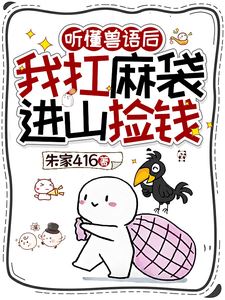
Overall impression: it’s engaging but has translation quirks. I’m invested in Xiao Yu’s struggle and want to see how she copes with poverty and the crow. Hope it doesn’t turn too supernatural.
So far the story seems to be a typical rebirth/revenge drama but without actual rebirth—just character growth. However, the crow might bring transmigration elements.
The scene where Xiao Yu kowtows to thank the clan leader and villagers shows she knows social etiquette— but she only bowed three times, not nine? But it’s fine.
The split decision: clan leader threatens to remove from family tree if they don’t follow terms. That works because in ancient China, clan membership was crucial for examinations and social life.
The handle of the kitchen knife scene: it’s visceral. The phrase “her vision turned red, and her mind was filled with killing, killing them all!” That’s intense. Some readers might find it too violent, but given the provocation, it feels earned.
The sexism is rampant: female value tied to virginity, betrothal gifts, being a “burden.” The grandmother calls Xiao Yu “bitch” and “jinx.” It’s infuriating but authentic for the setting. The author doesn’t sugarcoat it.
One effective technique is the limited point of view: we get inside Xiao Yu’s head. We know her thoughts, so when she plans to get compensation, we root for her even if she’s acting. The internal monologue about “Since you are not righteous, don’t blame me for being unrighteous” shows her conviction.
The translation’s choice to keep formal names like “Luo Shi” for concubine-like status adds ambiguity. Is this set in a historical or fictional dynasty? Not sure. The culture feels Ming/Qing.