Before Rebirth And Marriage Registration, The Young Lady Emptied The Family Fortune And Followed The Army - Reviews

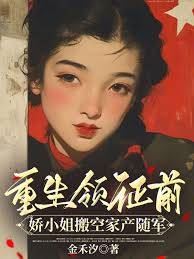
Before Rebirth And Marriage Registration, The Young Lady Emptied The Family Fortune And Followed The Army
+Add to Custom List
Sort
Add review
... Read More
This novel presents a fairly typical rebirth and revenge narrative, but it takes an interesting twist by not having the female lead actively pursue vengeance. Instead, fate seems to conspire against her, with various troublemakers crossing her path, forcing her to confront and manage these challenges as they arise. This creates a compelling dynamic, as her journey feels less like a quest for retribution and more an organic response to the adversities she faces. The "golden finger" aspect of the story, which often includes magical or extraordinary abilities bestowed upon the protagonist, comes across as somewhat lackluster here. It feels more like an afterthought rather than a crucial element of the plot, merely providing some conveniences rather than being fully integrated into the storyline. As for the male lead, he's initially unlikable, which may deter some readers. However, it's worth noting that his character undergoes significant development throughout the story. He gradually evolves into a more relatable and multifaceted character, aligning more closely with the traditional qualities of a male lead in this genre. This transformation adds depth to the romance and enriches the story overall, making it a rewarding reading experience for those who appreciate character growth. Overall, while the novel follows familiar tropes, its unique approach to handling revenge and character progression keeps the story engaging, making it a decent read for fans of the rebirth genre.
... Read More
The chapter structure with those long paragraphs followed by quick dialogue transitions works well for binge reading. Each chapter ends on some kind of cliffhanger or emotional beat that makes you want to keep going. The author knows how to pace the reveals and keep the reader engaged. I just hope the story doesn't get too formulaic with the "problem arises, problem solved via the space" pattern. More variety in conflicts would be nice.
... Read More
The overall tone of the story is a perfect mix of tension, empowerment, and a little bit of wish-fulfillment. An Min's rebirth gives her a second chance, and the audience gets to enjoy watching her make all the right moves. The historical elements add stakes, the supernatural elements add fun, and the character work adds depth. It's the kind of story you pick up for a quick dopamine hit but stay for the emotional payoff.
... Read More
I'm intrigued by the missing details of An Min's past life. We know she was deceived by Zheng Tianyou, married him, and was tortured to death. But what exactly happened? Did her money get stolen? Did she have children? Was there any specific betrayal that hurt the most? The story hints at a lot of pain but doesn't elaborate. I hope future chapters include flashbacks to flesh out her trauma.
... Read More
The line "people need face, trees need bark" is a great bit of dialogue. It sums up An Min's decision not to force herself on the Wei family. She has her pride, and she won't beg for scraps. Even when she's desperate, she refuses to lose her dignity. That's a trait I respect enormously. It also sets up a potential character arc where she learns to accept help from others without seeing it as a sign of weakness.
... Read More
The emotional core of the story so far is An Min's relationship with her mother. Even though her mother is dead, her legacy lives on in the space bracelet, the inheritance, the household registration book, and even the furniture she bought. An Min's actions are all driven by a desire to honor her mother's memory and avoid the fate her mother tried to protect her from. It gives the revenge plot a deeper, more poignant motivation.
... Read More
I have to admit, the space bracelet feels a bit like a convenience tool. Every time she's in a tight spot, she just uses it to solve the problem. Escaping the house? Space. Moving boxes? Space. Carrying gold? Space. It's useful, but I hope it doesn't become a crutch. The best stories are about characters overcoming challenges through their own wit and effort, not just relying on cheat items.
... Read More
The part where An Min tells the notary office to address her as "Comrade An Min" is such a power move. She's not just rejecting her "young lady" status; she's actively choosing to identify with the working class. It's a survival tactic, but it also shows her adaptability. She understands the system and knows how to play it. This kind of strategic thinking is what makes her a compelling protagonist.
... Read More
I'm not entirely sold on the second cousin Wei Ling. She feels a bit one-dimensional so far—just a younger copy of Wei Hong, all petty jealousy and entitlement. I hope she gets more development later. Maybe she'll have a change of heart after seeing An Min's resourcefulness, or maybe she'll double down on the antagonism. Either way, a little more nuance would be nice.
... Read More
The Northwest setting feels more than just a backdrop; it's practically a character in itself. The undeveloped land, the construction sites, the harsh climate, the suspicion toward outsiders—it all shapes the story's atmosphere. The openness of the landscape contrasts with the suffocating social pressure of the era. An Min escaping from the crowded sea to the open Northwest is symbolic of her search for true freedom.
... Read More
Zheng Tianyou's phone conversation with An Min is both funny and sad. He's so convinced he has everything under control, and she's just feeding him what he wants to hear. His little chest puffing when she says she's ready to be his bride is pathetic. The dramatic irony here—the reader knows she's planning to run while he's dreaming of the inheritance—is delicious. I can't wait for him to realize she's gone.
... Read More
The use of the surname "An" is interesting symbolically. "An" means peace or calm, but An Min's life is anything but peaceful. She's constantly in danger, constantly fighting. Maybe the irony is intentional. Or maybe her mother hoped she would have a peaceful life, but the era and the people around her made that impossible. Either way, it's a nice touch that adds a layer of meaning.

Leave a comment

You must be logged in to leave comments. or