Comprehensive Film and Television: Why Can't a Villainess Be a Charismatic Idol - Reviews

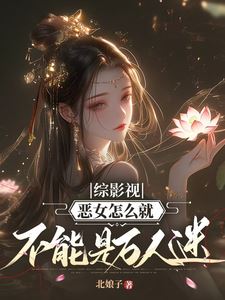
Comprehensive Film and Television: Why Can't a Villainess Be a Charismatic Idol
+Add to Custom List
Sort
Add review
... Read More
It's possible that I might be jumping to conclusions about this novel a bit too early. Perhaps it would be best to approach it with a more open mind and embrace it without overthinking it. However, I have to admit that I found certain aspects quite troubling. One of the most concerning elements for me was how the author seemingly brushed aside the gravity of the main character’s (MC) actions in breaking up a marriage. It was especially disconcerting to see her defended in such situations, and then, as the arc unfolded, she seemed to acquire what felt like an abundance of plot armor. The reality of breaking up a marriage is that it creates chaos and hardship for those involved, particularly the children caught in the crossfire. It's alarming to think that the children in this narrative are calling the MC "mom" so readily, especially given that she was the catalyst for their parents' marital breakdown. This dynamic made the whole situation feel not only unrealistic but also deeply troubling. It certainly raises ethical questions about loyalty and empathy within the context of familial relationships. While I acknowledge the possibility that my judgment might be premature and that there could be ample character development for the MC in future chapters, I find her current portrayal quite bothersome. She often comes across as self-indulgent and spoiled. I understand that she views her initial experiences in this world as akin to a game, especially after being subjected to confinement and isolation for such an extended period. Nonetheless, there comes a point where one must recognize that there are real individuals with genuine emotions and lives at stake within this setting. The MC expresses sympathy for Bei Wei Wei, who is her sister in the first world, but it raises questions as to whether she is genuinely empathetic or merely fulfilling the role of a homewrecker without fully grasping the implications of her actions. At this moment, I find myself ambivalent regarding the main character. I am inclined to continue reading, though, in hopes that her journey will evolve into something more complex and nuanced. I plan to revisit my thoughts on the narrative once I've had the opportunity to read further and gain a deeper understanding of the characters and their motivations.
... Read More
Overall, this first part sets up a dark, addictive read. The writing is clear, the characters are morally complex, and the seduction tactics are clever. I’d recommend it to anyone who likes villainess stories without fluff. Just don’t go in expecting a happy family ending. This is about a water ghost getting her revenge, one broken marriage at a time.
... Read More
The pacing of the romance is fast but believable for a mission system story. Bei Shi doesn’t waste time; she goes straight for psychological manipulation. Xiao Nai falls equally fast because he’s repressed. It mimics the “quick seduction” pacing common in this genre, which works for readers who want immediate payoff. There’s no slow-burn here, but that’s fine for what it is.
... Read More
I wonder if Bei Shi ever feels guilt. She seems detached, but her thousand years of suffering might have numbed her emotions. The only sign of anything close to warmth is in her mission to change her fate. Even her desire to feel pain to “feel alive” suggests she’s numb inside. That emptiness could become a plot point later—maybe she’ll genuinely fall for someone, or not.
... Read More
The cliffhanger at the end of the provided text is strong. Xiao Nai is dreaming of saying “I dare” and kissing her. It’s clear he’s about to give in. I’m eager to see how he breaks. Will he pursue her actively? Will Bei Weiwei find out soon? The tension is built well, and I want to binge-read the next chapters immediately.
... Read More
Reading this made me think of similar Chinese web novels like “The Villainess Lives Twice.” But this one has a unique flavor because of the Xi Shi background. The historical tragedy gives the character a tragic depth that typical modern villainesses lack. I hope the story continues to merge her past memories with her current missions.
... Read More
The relationship between Bei Weiwei and Bei Shi is intriguing. They’re connected through a life-saving grace, which adds weight to the betrayal later. Bei Shi even says “What’s wrong with her giving me her husband?” That twisted reasoning is so calculating. It shows she sees her mission as a form of debt collection, not just seduction.
... Read More
The author’s note at the beginning says “you can scold me, but please don’t involve my family.” That honesty made me chuckle. It’s clear the writer knows the content is controversial but owns it. I respect that. Some stories try to pretend the villainess is actually good; here, Bei Shi is unapologetically wicked. That clarity helps manage expectations.
... Read More
I like how Xiao Nai’s possessiveness is shown through his jealousy of younger students. He’s thirty-five and married, yet he feels threatened by college boys confessing to Bei Shi. That vulnerability makes him more human. He’s not just a cold rich CEO; he’s insecure about his age and his marital status. It adds layers to his obsession.
... Read More
The scene where Bei Shi falls down the stairs on purpose is classic villainess behavior, but the author makes it feel fresh. She stumbles “as if too rushed,” and the blush from shyness or pain gives her a seductive charm. It’s a calculated move, but you can also see her enjoying the act. That blend of calculation and pleasure in manipulation is what makes her compelling.
... Read More
One thing I’m a bit disappointed about is the lack of world-building beyond the system. The goddess just appears, gives the mission, and disappears. I’d like to know more about this multiverse or the rules of luck collection. The story is focused on the romance seduction, but I think adding some lore snippets would enhance the depth without slowing the pace.
... Read More
The dialogue feels very natural. Bei Shi’s coy lines, Xiao Nai’s clipped responses, and even Weiwei’s apologetic chatter all sound like real conversations. The author avoids melodramatic speech. My favorite line is probably “I want you.” Three words, but it carries so much weight. Simple yet effective writing.

Leave a comment

You must be logged in to leave comments. or