Summary

... Read More
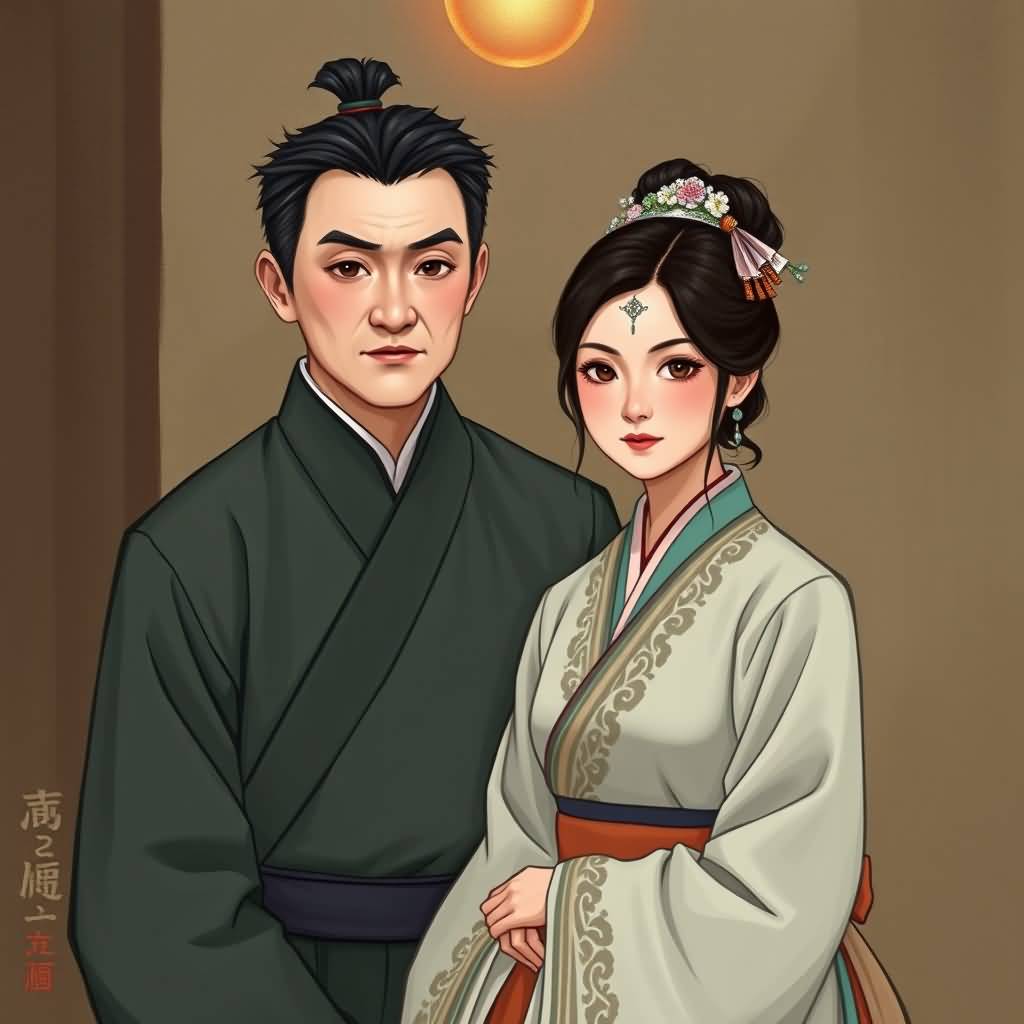
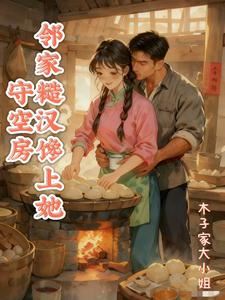
Chun Tao was a young woman trapped in a painful marriage through an exchange arrangement for her older brother. Her husband, Wang Jieshi, eloped with another woman on their wedding night, leaving her abandoned and humiliated. For four years, she endured the harsh treatment of her mother-in-law, Liu Cuilan, and the cruel gossip of the villagers, who called her an ominous woman. Chun Tao lived in a small room separated from her mother-in-law’s by only a sorghum stalk wall, forced to listen every night to the shameless sounds of Liu Cuilan with her new lover, Wang Haichao. Unable to bear the torment, Chun Tao took a torn mat and flashlight and went to sleep in the melon shed in Donggou, where she was growing watermelons to earn money for her brother-in-law’s education. Liu Cuilan had refused to support the boy’s studies, but Chun Tao insisted, vowing to pay the tuition herself by growing watermelons, despite having no experience. She worked tirelessly, collecting cow dung for fertilizer and learning from experienced farmers, and her melons grew promisingly.One night in the melon shed, while Chun Tao was sleeping, a heavy man pressed down on her, covering her mouth and assaulting her. Overcome with fear and humiliation, she struggled but could not resist. Just as the man was about to complete the act, he suddenly stopped, helped her dress with clumsy hands, and whispered, “I’m leaving!” before disappearing into the night. The voice was hauntingly familiar, and after a moment, Chun Tao realized it was Zhou Zhijun, her neighbor and a longtime benefactor of the Wang family. Zhou Zhijun was the militia captain, a strong and handsome man who had served in the army and worked as a master builder. Despite many women being interested in him, he had remained unmarried. For four years, he had helped the Wang family after Wang Laohan fell ill, but his secret motive was his deep, unspoken love for Chun Tao. From the moment he saw her on her wedding day, he was captivated, but she was another man’s bride. When Wang Jieshi deserted her, Zhou Zhijun hoped she would eventually be free, but his restraint broke one hot July night. Driven by impulse, he followed her to the melon shed and attacked her, but at the last moment, his conscience prevailed, and he fled.After the incident, Chun Tao was tormented by confusion and shame, struggling to face Zhou Zhijun. Meanwhile, the village was abuzz with gossip about Liu Cuilan and Wang Haichao’s open affair. Zhou Zhijun confronted Wang Haichao and declared that everyone should move on with their lives, earning disdain from his nephew Zhou Xiaowei, who believed Liu Cuilan was heartless. The villagers began to question Zhou Zhijun’s masculinity, speculating that he was impotent, as he had helped the Wang family for four years without any intimacy with Liu Cuilan. Chun Tao overheard these rumors and, recalling how Zhou Zhijun had stopped during the assault, began to believe them herself, though she had felt the physical evidence of his desire. She forced herself to hate him, fearing more humiliation. The household tension escalated as Wang Xiaohong, Liu Cuilan’s daughter, argued with her mother over the affair, resulting in a physical fight. Liu Cuilan grew lazier, leaving Chun Tao to handle all the chores.One morning, Chun Tao went to fetch water and encountered Zhou Zhijun, who asked if he had scared her. She denied it, but her blush betrayed her inner turmoil. While at the well, other women gossiped about her situation, hinting at dangers from Wang Haichao. That night, after Liu Cuilan went to her maternal home and Wang Xiaohong left for a movie, Chun Tao was alone. When she opened the door to check for Wang Xiaohong, she found Wang Haichao standing there. He stepped into her room and said, “Tao, Wang Jieshi doesn’t want you anymore. Come, let me cherish you well…” The story reflects Chun Tao’s harsh reality, caught between the abuse of her family, the misunderstanding of the village, and the hidden intentions of the men around her. Her only solace had been her work in the melon field, but even that became a site of violation. Throughout her trials, Chun Tao remained soft-hearted and resilient, clinging to her dignity and purpose, but the threats from all sides continued to close in on her. The narrative delves into themes of sacrifice, social stigma, and the struggle for autonomy in a rural setting where women were often viewed as property or burdens.

Associated Names

守空房,邻家糙汉馋上她
Latest Release
DateGroupRelease
2026-05-29lightnovelasia c32
2026-05-29lightnovelasia c31
2026-05-29lightnovelasia c30
2026-05-29lightnovelasia c29
2026-05-29lightnovelasia c28
2026-05-29lightnovelasia c27
2026-05-29lightnovelasia c26
2026-05-29lightnovelasia c25
2026-05-29lightnovelasia c24
2026-05-29lightnovelasia c23
2026-05-29lightnovelasia c22
2026-05-29lightnovelasia c21

Community Reviews

Rating(4.1 / 5.0, 30votes)
5 stars
12(40%)
4 stars
8(27%)
3 stars
10(33%)
2 stars
0(0%)
1 stars
0(0%)

Popular reviewsMore Reviews»

... Read More

I am completely hooked right now, even though I am super conflicted about the leads. The writing is raw and immersive, and the characters feel deeply flawed in a real way. That assault scene was seriously tough to get through, but it feels like a deliberate part of her character journey rather than cheap drama. I desperately need to know if Chun Tao can break free from this fate and if Zhijun can actually become worthy of her.

... Read More

The way the author writes the shame is incredibly realistic. When Chun Tao realizes it is Zhijun, she doesn't just feel anger. She feels this deep, burning embarrassment that makes her want to hide. Her face flushes even when she just *thinks* about him. That specific emotional cocktail of fear, violation, and shame is captured perfectly in her trembling.

... Read More

The gritty reality of the poverty is so well drawn. The sorghum stalk walls, the torn mat, the iron buckets. The author doesn’t gloss over how hard life is in this time and place. It isn’t a glamorized period drama. It’s a raw story about surviving in a poor, isolated village, and the setting itself feels like a harsh character in the story.

... Read More

I’m holding my breath waiting for the husband, Wang Jieshi, to show up eventually. The threat of his return hangs over every single interaction. If he comes back, what happens to Chun Tao’s fragile independence? To her relationship with Zhijun? His absence is a massive character in the story, and the author uses that “ghost” presence very effectively to build tension.

... Read More

The phrase “crops are more reliable than people” is basically the thesis statement of the first chunk of the book. Chun Tao puts her trust in the earth, and the earth slowly provides. People just take from her and hurt her. This line alone made me fall in love with the thematic core of the book. It’s a farming story and a romance, but it is really about where you place your trust.

... Read More

I found the character of Zhou Xiaowei really interesting, even in his short appearance. He is righteous and hot-headed on behalf of his uncle. He drags the lover out and yells at Liu Cuilan. It shows that not everyone in the village is passive. He sees the injustice and acts on it, which is a nice counterbalance to Zhijun’s more careful, silent suffering.
See all reviews

Characters

See all characters

Custom lists

See all custom Lists