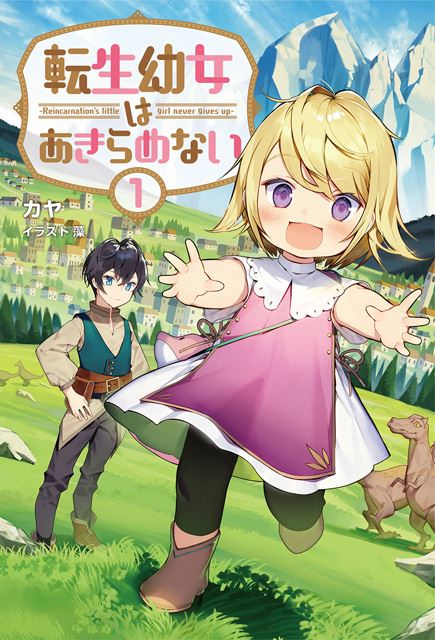
As of now, I have only read up to Chapter Ten of this intriguing novel, so I must emphasize that this is merely a preliminary review. I anticipate updating it once I delve further into the storyline and gain a clearer understanding of its direction. As is customary, I’d like to begin by discussing the translation quality, as this is often the very first aspect that catches the attention of readers and can truly make or break a series.
To put it simply, the translations are nothing short of impeccable. The translators clearly possess a strong command of the English language, and it seems likely they have experience in storytelling themselves. This is evident in the fluidity and coherence of the narrative. Moreover, the consistency in translation quality is reassuring, given that the entire series so far has been handled by the same group of translators. I have high hopes that this standard of excellence will remain throughout the entire series.
Now, let’s talk about the world-building. While I have yet to venture far into the story, I have not encountered any complaints in this regard thus far. Admittedly, the details have been somewhat sparse, but one thing I can definitively say is that this isn’t just another cookie-cutter medieval fantasy world that saturates so many novels in this genre.
From what I've gathered, the narrative diverges from traditional fantasy tropes, as there seem to be no standard fare monsters like goblins or orcs. (An interesting edit: upon reaching Chapter Eleven, I discovered the presence of dragons, but intriguingly, they appear to be used more like horses than traditional beasts of legend.) The principal danger in this world comes from entities known as Hollows. These ominous figures seem to be shapeshifters, able to adopt human forms while preying on actual humans for sustenance. According to the limited information provided so far, these Hollows are entirely hollow inside—devoid of meat or bones—and upon their demise, they crumple into magical stones resembling rechargeable batteries, which serve various uses throughout this world.
Unfortunately, examples of how these magical stones are utilized remain vague at this point. The storytelling adheres to the principle of "show, don’t tell," which is generally commendable as it avoids tedious info dumps. This narrative approach allows for a more organic exploration of the universe as it unfolds. So far, it has been established that these magic stones are used in place of electricity for lighting and may also power a massive barrier that surrounds the major city or cities, effectively keeping the Hollows at bay. I anticipate further revelations regarding the function and significance of these barriers in the chapters to come.
However, due to the plethora of unanswered questions, it's difficult to ascertain how advanced civilization is in this world. I remain unsure whether this barrier serves multiple cities or is limited to just one area. Additionally, there have been no indications of horse-drawn carriages or vehicles that might hint at the technological level of this society. The main character has yet to leave her residence, and aside from a brief mention that their home is substantial with multiple wings, we don’t have a clear picture of their living conditions. Nevertheless, the world-building hints at careful thought, suggesting that we’re not dealing with a mere rehashing of tropes commonly seen in similar novels.
Now, I must address my only point of contention, which is why I felt compelled to rate this novel less than five stars. Before I delve into this criticism, I want to ensure you know that I’ll touch upon some light spoilers, but they will be limited to the first ten chapters, which cover the protagonist's first year as an infant. Admittedly, my perspective on this issue may come off as somewhat petty, but it is something I feel warrants mention.
My primary complaint revolves around the novel's premise, particularly the description. It states, "When I woke up, I had been reborn as a baby. My mother passed away, and I was neglected by my father. Even though I was born into a Marquis family, my life started on HARD MODE." This portrayal genuinely irritates me.
Yes, the protagonist’s mother did die during childbirth, and it is true that in his grief, her father has been emotionally neglectful. However, it is essential to point out that she was never left to fend for herself in destitution. She has always had a warm place to sleep, adequate food, and care from the household servants. While it’s understandable that she experienced moments of neglect—especially since the servants were uncertain of how to treat her without incurring her father’s ire—it’s noteworthy that she was never in real danger. In no way does this situation truly constitute "HARD MODE." I can personally attest to having experienced a far worse childhood, and it strikes me as the perspective of someone who has not truly grasped the meaning of hardship.
In conclusion, while this novel undoubtedly possesses a wealth of promise in terms of its translation quality and world-building, there are elements of the premise that I find problematic. I look forward to progressive developments in the story and hope to gain a more nuanced appreciation as I continue through the chapters.