They Said It Was a Casual Game, But the Long March Instance Made the Whole Internet Cry - Reviews

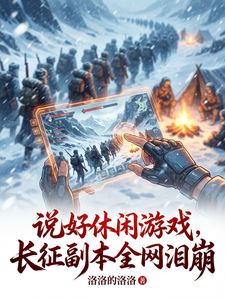
They Said It Was a Casual Game, But the Long March Instance Made the Whole Internet Cry
+Add to Custom List
Sort
Add review
... Read More
I love how the game’s tag is “healing” and “retirement” but the first thing that happens after you spawn is a blizzard trying to freeze your nuts off. The PV literally shows a warm bonfire and beautiful snowy mountains and when you get in it’s just pain. That bait-and-switch got me good. I was mentally prepared for a chill walk simulator but instead I’m fighting for my life and crying over an NPC named Xiao Hu. Honestly that’s what I call a real “healing” experience—breaking down first then maybe piecing yourself back together. The designer knows exactly what he’s doing.
... Read More
Xiao Hu’s death hit me way harder than it should have for a game NPC. The guy looks sixteen and acts like he’s got nothing to lose. He shoves that black barley dumpling back at you even as he’s falling into an ice crevasse. The system shows the item description as “highland barley flour dough mixed with sand (inferior)”—but that ugly piece of bread becomes the most emotional item in the whole game. When Brother Kuang threw it away at first I wanted to punch him. Later when it saves his life in a way… man. The writers really know how to use a simple object to carry so much weight.
... Read More
The one-armed squad leader is the real MVP. Every time the player messes up he’s there to either drag them forward, slap them back to sense, or pick up the rations they were too spoiled to eat. His dialogue feels so raw and authentic, especially that line “there are no shortcuts on this snow mountain.” It’s not just game advice, it’s a life lesson that hit me between the eyes. He’s grumpy and broken but still leads by example. I cried when he slapped Brother Kuang—not because it was harsh but because he cared enough to be angry.
... Read More
The system mall being completely closed is such a genius design choice. In any other survival game you’d just swipe your card for thermal gear or potions. Here the shop literally tells you “even if you had billions, you couldn’t buy half a mantou.” It forces you to forget about pay-to-win crutches and actually play the game the way it’s meant to be played. I’ve been conditioned by every modern game to look for the cash shop backdoor and this one slammed it in my face. I felt both frustrated and respected as a player.
... Read More
Brother Kuang’s character growth from an arrogant streamer to someone who weeps on camera after his first run is honestly one of the best arcs I’ve seen in any interactive medium. He starts off mocking the game as trash and calling the NPCs beggars. By the end he’s hoarding that barley cake like it’s gold and taking orders from the squad leader without backtalk. The live chat timeline is hilarious—those first few minutes they were all “LOL streamer salty” and then suddenly they’re all crying emojis and “eat the damn ration!”
... Read More
I want to know more about the “civilization’s spark” system and why it chose Luo An. The system description says “detected host in dire straits, possessing a heart inclined towards mischief.” That “heart inclined towards mischief” is fascinating. It suggests Luo Ang has a bit of a rebellious streak that makes him want to disrupt the shallow entertainment culture of Blue Star. His game is literally designed to shock players into caring about something real. He’s a bit of a troll but with a noble cause.
... Read More
The moment where Eagle Eye demands a gun reveals a lot about gamer assumptions. He assumes the game must become a shooter because that’s the genre he’s good at. But the game refuses to conform to his skills. It tells him that not every conflict is solved by firepower. That’s a humbling lesson for anyone who plays games for power validation. The game prioritizes human endurance over mechanical skill and that shift in values is what makes it stand out.
... Read More
The PV tag “zero entry barrier, no top-ups, pure healing VR experience” is a textbook example of deceptive marketing. But unlike many games that scam you, the “healing” here comes after the catharsis. You suffer, you cry, you break down, and then maybe you feel something akin to closure. That’s a deeper kind of healing than a relaxing stroll. It’s the emotional equivalent of a good cry. The game earned that tag by the end even if it tricked you at first.
... Read More
I was surprised that the dialogue module for NPCs is updated mid-development by Luo An using his emotion points. That explains why the squad leader and Xiao Hu feel so responsive and human. They aren’t just scripted bots; they react to player actions in real time. When Brother Kuang throws away the ration, the whole team stares at him with heartache. That level of reactivity makes the world feel alive. It must have cost a lot of emotion value but it paid off.
... Read More
The “system mall blocked” message also serves as a meta-commentary on consumerism in gaming. In an era where games are filled with microtransactions for even basic comfort, this game’s refusal to sell you an advantage feels almost revolutionary. It forces equality among players. No amount of real world money can save you from the blizzard. Everyone has to walk through the snow together. That’s a rare and refreshing design philosophy that I hope more developers get inspired by.
... Read More
The squad leader’s single arm is a small but potent character detail. You immediately know he’s been through war before. The game doesn’t explain how he lost it and it doesn’t need to. His missing limb communicates enough. Every time he uses that one arm to pull you up or grab the ration you feel the effort. It’s a constant visual reminder of the cost of struggle. That kind of efficient storytelling through design is something I wish more games did.
... Read More
The character of Xiao Hu feels like he was made to be a martyr but he’s not written in a cheesy way. He doesn’t give a big speech before falling. He just says “you’re new, you haven’t fought a war yet… kill a few more enemies for me.” It’s understated and authentic. The line hits because it’s exactly what a young soldier would say—not some philosophy, just a simple duty passed on. That restraint in writing makes the scene ten times more powerful than any monologuing villain.

Leave a comment

You must be logged in to leave comments. or