Black Rain 2027 - Reviews

Black Rain 2027
+Add to Custom List
Sort
Add review
... Read More
The writing style is so effective because it trusts the reader. The author doesn't tell us that society is falling apart. We see it through Yu Molan's phone notifications, through Old Liu's exhausted phone call, through Old Zhang's transformed eyes. The prose is tight and immediate, full of sensory details like the smell of spicy oil noodles and the feel of a towel-wrapped knife handle. Every paragraph advances the mood and the plot without wasting words. This is premium disaster fiction.
... Read More
That final image of Yu Molan and Lin Zhixi staring at each other in the dark, wondering if the scream they heard was human, but not daring to check. That's the moment the new world order is established. Before, you would call the police or go help. Now, you stay quiet, grip your knife, and hope whatever made that sound doesn't come up the stairs. The transformation from citizen to survivor is complete. And I'm desperate to read what happens next.
... Read More
The old society's death isn't announced, it's felt through a series of small failures. The internet going down. The convenience store tripling prices. A neighbor showing up not to borrow sugar but to plead for survival. The SUV driving like it's escaping a warzone. By the end of this section, I completely believe that civilization in this story has collapsed. The author didn't need to show cities burning or armies marching, just the quiet, grinding failure of systems we take for granted.
... Read More
The environmental description of the post-earthquake city is so vivid it's almost tactile. The scorched smell mixed with sewer stench, the sky still dim at 8 AM, the air filled with a gray thickness that prevents light from penetrating. The fact that the author doesn't let us see the full extent of the damage, only hints through brief videos and neighbor reports, makes it more frightening. Our imagination fills in the worst possible picture.
... Read More
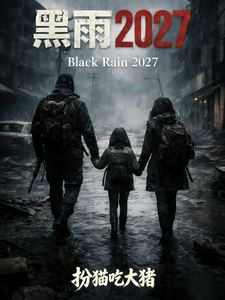
I appreciate that the characters don't make stupid horror movie decisions. When the alarm hits, Yu Molan immediately moves to gather supplies, secure the family, barricade the door. He doesn't run outside to investigate or split up from his family. The way he prepares the knife, stocks water, and lies to his daughter to protect her innocence feels like what a real father would do. Practical survival behavior makes disaster fiction more compelling than melodramatic heroics.
... Read More
The technical details about GPS signals disappearing and base stations failing feel research-heavy but not lecturing. The author clearly understands how infrastructure works and how it would fail. The earthquake warning system with its broken countdown, the way cellular networks get overloaded, the specific failure modes of power grids during disasters. It all sounds true. That credibility makes the fiction more terrifying because I can see this actually happening.
... Read More
The pacing of this opening section is masterful. It starts slow with spreadsheets and logistics problems, builds through increasingly ominous details, peaks with the earthquake, and then settles into a grim new normal. The author knows exactly when to speed up and when to linger. The earthquake scene is frantic and chaotic, but the aftermath scenes are patient and dread-filled. That balance keeps me reading even when I want to look away from the horror.
... Read More
I love how the Chinese setting isn't exoticized or explained for Western readers. This is clearly a story written by someone who knows Chinese office culture, Chinese residential complexes, Chinese family dynamics. The details are organic and lived-in. The teacher saying it's because of the meteor shower. The Lao Gan Ma chili sauce with the noodles. The property management's excuse about grid overload. It feels authentic because it doesn't explain itself.
... Read More
The way the author handles the children's perspective through Yu Xiaoyu is heartbreaking but never crosses into exploitation. She asks about watching cartoons, wonders if school is cancelled, thinks it's a "strange holiday." Meanwhile the adults are wrapping boning knives and calculating how many meals they have left. That contrast between childhood innocence and adult desperation is the engine that drives the emotional weight of the story.
... Read More
Lin Zhixi's character arc over just these few chapters is subtle but real. She starts as the wife worried about rice prices and ends up gripping her daughter in the dark, asking about human screams. The moment she tells Yu Molan that Old Zhang's look was "terrifying" shows she's already adapting to the new reality. It's not melodramatic, it's a slow acceptance that the world she knew is gone and her only job now is to protect her child.
... Read More
The author's portrayal of Yu Molan's professional background in logistics adds such specificity to the apocalypse. Most disaster stories start with doctors or soldiers or scientists. This guy manages cold chain delivery. He notices the trucks aren't moving, the signals are weak, the supply chain is failing before anyone else recognizes the pattern. His mundane expertise becomes the lens through which we understand the catastrophe. It's original and effective.
... Read More
That late night sound from downstairs is the kind of detail that keeps you awake. A short scream followed by a muffled thud. Not knowing what happened but knowing it was something terrible. The bedroom door opening a crack and Lin Zhixi asking in a whisper if it was a human sound. And Yu Molan lying in the dark, staring at the door, not daring to turn over. The way the author makes us feel the weight of not knowing is brutal. Our minds fill in the worst possibilities.

Leave a comment

You must be logged in to leave comments. or