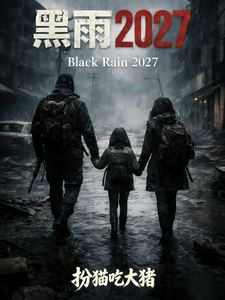
Yu Molan worked as a logistics manager in June 2027. The supply chain unraveled before his eyes. Trucks stopped moving, GPS signals grew weak, and drivers complained about military vehicles blocking highways. The city still ran, but its gears ground without lubricant. The National Astronomical Observatory announced that near‑Earth asteroid 2026‑HY7 would pass by that night with no risk of impact. Yu Molan’s colleagues and neighbors grew anxious. The underground garage echoed with nervous phone calls. He picked up his daughter Yu Xiaoyu from school. She told him earthworms had crawled out of the flowerbeds and the teacher said it was because of the meteor shower. At home his wife Lin Zhixi mentioned food prices rising and rumours of hoarding. After dinner Yu Molan went to the balcony and saw a stark white light on the southeast horizon, not lightning. The light split the clouds and vanished. The internet stopped working. The mobile phone signal flickered then died. A national warning alarm blared from his phone: seismic waves would arrive in three minutes and fifty seconds, estimated intensity 6, epicenter distance 880 kilometers, magnitude Mw 9.7, not a drill.
Yu Molan shouted at Lin Zhixi to get away from the balcony and pulled her and Xiaoyu to the bed. He grabbed half a case of water from the kitchen and shoved it under the bed. The countdown reached zero. A low‑frequency hum rose from the earth. The floor dropped, then the building swayed violently. The wardrobe doors flew open, the ceiling light banged against the ceiling, and Xiaoyu screamed. The shaking lasted over a minute. Car alarms wailed outside. When the tremor stopped the house was in disarray. Power was out. No signal remained on the phone. Yu Molan looked out the window: the entire city was dark. The southeast sky glowed eerie dark red beneath low clouds. Water from the faucet sputtered yellow then stopped. He collected what water he could. The corridor filled with panicked footsteps and crying.
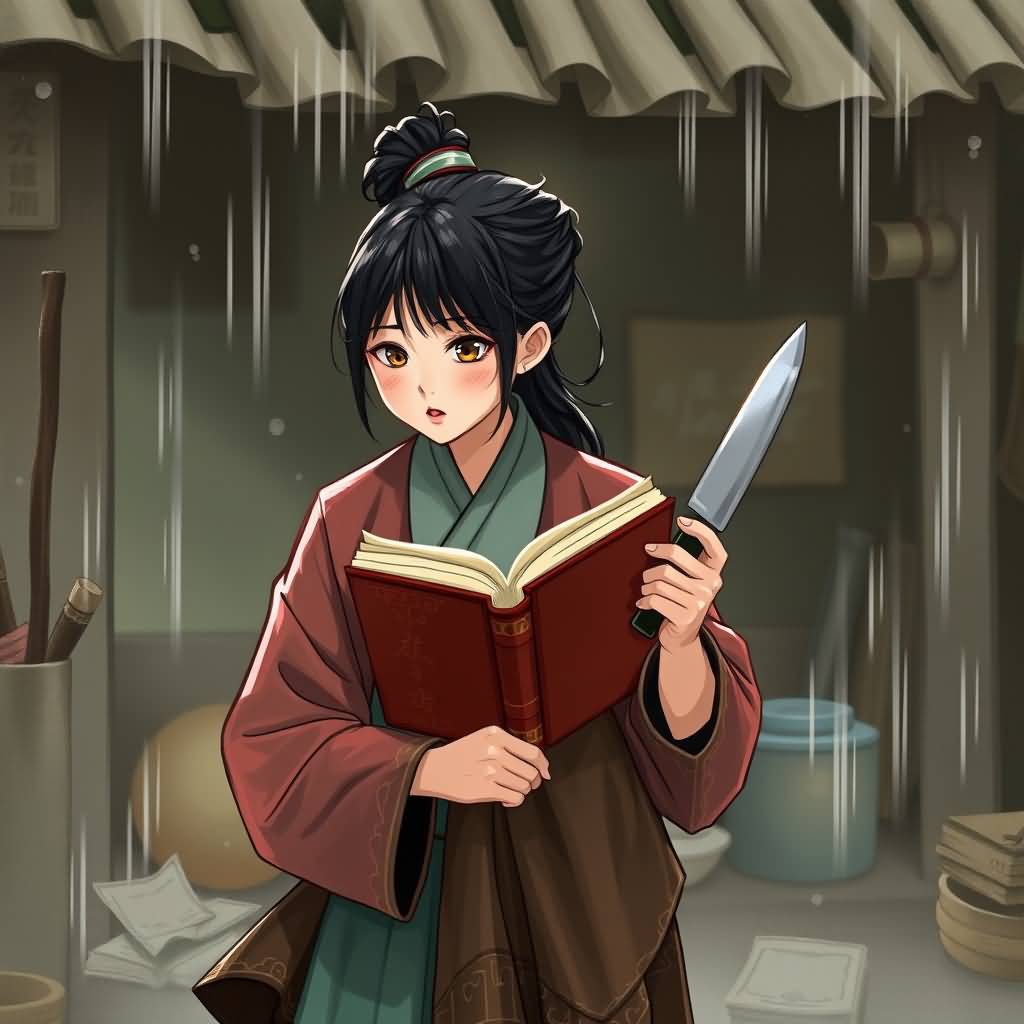
At four in the morning a cached news video appeared briefly on Yu Molan’s phone. It showed a dashcam recording of a black wall of water taller than mountains rising on a highway, then the screen flipped and ended. He could not replay it. By eight o’clock the sky was still dim. The air smelled of burning and sewage. Every water container in the house was full. Old Zhang from downstairs banged on the door. He was soaked in sweat and rain, his eyes bloodshot. He said the supermarket had been smashed, people rushed in without paying, and he had only managed to grab a few packets of instant noodles. He begged for food. Yu Molan told him they had nothing extra. Old Zhang turned away, muttering. Yu Molan locked the door and moved the shoe cabinet against it. He took out a boning knife from a lamb leg purchase, wrapped the handle with a towel, and placed it in the foyer cabinet where he could reach it quickly. A scream came from downstairs, then a heavy thud. He did not go to see.
The rain continued into the second day. Power flickered back but the voltage was unstable. The sewer began backing up, emitting a nauseating stench. Yu Molan sealed the drain with a plastic bag. The network returned briefly and messages exploded. In the owner group chat a video showed army‑green trucks driving through flooded streets and armed soldiers announcing a stay‑home order and prohibition of looting. The video stopped loading after a few seconds. Yu Molan looked out the window: the street was empty but for a convenience store across the road that still operated through a gap in its roller shutter. He decided to go out while people still dared to sell. Lin Zhixi tried to stop him. He put on a baseball cap, slipped a folding knife into his pocket, and left. The corridor was dark, the glass door in the lobby shattered. The convenience store owner Old Wang held an iron rod. He charged fifty yuan for a pack of AA batteries and fifty for a bag of biscuits. Salt was gone. Mineral water cost ten yuan a bottle. Yu Molan bought what he could with three hundred yuan. As he stood up an SUV roared past, roof loaded with luggage, splashing dirty water. The driver wore a mask and had wild eyes. Yu Molan hurried back home.
At home he reinforced the door with the shoe cabinet. The LED light flickered, sparked, and died. Complete power outage. The phone signal showed an X. That night they ate biscuits soaked in warm water by a single candle. Yu Molan told Lin Zhixi and Xiaoyu to sleep in the bedroom. He stayed in the living room with the boning knife on the coffee table. At two in the morning a short scream came from downstairs, followed by the thud of a heavy object hitting a security door. The bedroom door opened a crack. Lin Zhixi asked if it was a human sound. Yu Molan stared at the main door and did not answer. He did not dare to turn over. The rain continued to fall, and the wind pounded the windows like hands. The family waited in the dark, their supplies low, the outside world turning violent, and no certainty of when or if order would return.
| Date | Group | Release |
|---|---|---|
| 2026-05-29 | lightnovelasia | c52 |
| 2026-05-29 | lightnovelasia | c51 |
| 2026-05-29 | lightnovelasia | c50 |
| 2026-05-29 | lightnovelasia | c49 |
| 2026-05-29 | lightnovelasia | c48 |
| 2026-05-29 | lightnovelasia | c47 |
| 2026-05-29 | lightnovelasia | c46 |
| 2026-05-29 | lightnovelasia | c45 |
| 2026-05-29 | lightnovelasia | c44 |
| 2026-05-29 | lightnovelasia | c43 |
| 2026-05-29 | lightnovelasia | c42 |
| 2026-05-29 | lightnovelasia | c41 |