Summary

... Read More
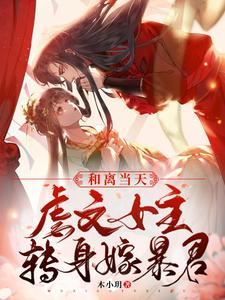
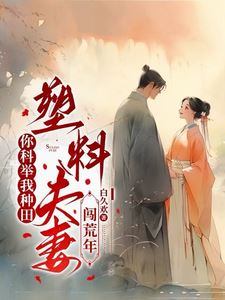
Song Yaoshi, a modern PR department head who perished from overwork, transmigrates into the female lead of the angst-filled novel The Downtrodden Wife of the Black-Bellied General. She read the book in high school and clearly remembers the original plot's tragic trajectory. The heroine, born the beloved daughter of the powerful Imperial Chancellor, is deeply infatuated with the orphan general Xiao Ziqian. She kneels in the rain for days to secure an imperial marriage, only to be neglected and abused. Xiao Ziqian secretly loves her but vents his inferiority complex through cruelty. In the end, he kills her entire family and she commits suicide, allowing him to live happily ever after with his concubine Lin Rou'er. Song Yaoshi finds the original heroine clueless and pathetic. Refusing to repeat this tragedy, she immediately formulates a survival strategy. Her plan is to leverage her status as the Chancellor's daughter, secure a divorce, and retire to a life of luxury, leaving the abusive male lead to his romantic pursuits. The story begins as Xiao Ziqian returns from the borderlands victorious, bringing Lin Rou'er. Instead of acting jealous or sad as the original female lead would, Song Yaoshi enthusiastically facilitates their romance. She decorates the mansion, instructs the servants to treat Lin Rou'er with the highest respect, and selects luxurious clothes and intimate garments specifically designed to please the general. She hopes he will be so captivated by his new love that he forgets her existence completely. When her maid Qingwu suggests running home to her father for justice, Song Yaoshi explains her modern philosophy on marriage: women should never fear being a laughingstock, only being a destitute one. She lies down and sleeps peacefully. Xiao Ziqian immediately confronts her upon arrival, accusing her of using love-inducing incense to sabotage Lin Rou'er before the palace banquet. Song Yaoshi is genuinely baffled by the charge but seizes the opportunity to reiterate her demand for a divorce. Xiao Ziqian, furious at her nonchalance, destroys a table in a rage. He threatens her with physical harm. Song Yaoshi recognizes his domestic violence tendencies. She mocks his transparent hypocrisy. She bluntly tells him he is not repaying a debt of kindness but merely indulging his lust under a righteous banner. Xiao Ziqian is rendered speechless by her bluntness. He forces her to attend the palace banquet, threatening to break her legs if she speaks out of turn. The central conflict takes place at Linde Hall in the Imperial Palace before Emperor Cen Fei. Song Yaoshi notes the majestic grandeur of the palace and the oppressive weight of political power. She analyzes everyone through a corporate lens. Xiao Ziqian is the difficult client. Lin Rou'er is the rival department head. The Emperor is the CEO with absolute authority. She accidentally meets the Emperor's gaze and is roughly forced to kneel by Xiao Ziqian. She recovers by claiming the Emperor resembles a divine figure. She later offends Princess Chang Le by grabbing her water sleeve during a dance but defuses the situation with skilled flattery. Xiao Ziqian sees his chance and petitions the Emperor for an Imperial Marriage to make Lin Rou'er his Equal Wife as repayment for her lifesaving kindness. Song Yaoshi immediately counters by begging for a divorce. She masterfully frames the general's request as a direct insult to her status as the Imperial Chancellor's daughter and a violation of the Emperor's decree. She paints herself as the victim of the general's obsession, predicting a future of neglect and injustice. She points out the hypocrisy of repaying kindness with marriage, suggesting adoption or gold instead. Xiao Ziqian defends Lin Rou'er's pure character. Song Yaoshi retorts that the general himself is the problem, calling his motives base and his actions a betrayal. A fierce argument erupts in front of the court. Emperor Cen Fei ends the dispute with absolute authority. He denies Xiao Ziqian's petition and warns him to cherish his official wife, stating that a commoner cannot be made equal to the Chancellor's daughter without disgrace. However, his cold, penetrating gaze on Song Yaoshi carries a sharp, threatening edge. He reminds her of her father's sole wish for family harmony, implying her desire for a divorce is an act of filial disobedience that could endanger her family's position. Song Yaoshi feels true terror. She realizes her real prison is not her abusive husband or the scheming concubine, but the absolute political power and control of the Emperor. Her modern corporate strategies, perfectly effective in a world of contracts and negotiation, completely break against the reality of absolute monarchy. She is a political pawn in a game far larger and more dangerous than a simple romance plot. The excerpt ends with her understanding that her survival game has become exponentially more complex and treacherous.

Associated Names

和离当天,虐文女主转身嫁暴君
请君入我怀 (Drama)
Latest Release
DateGroupRelease
2026-05-29lightnovelasia c2
2026-05-29lightnovelasia c1

Community Reviews

Rating(4.1 / 5.0, 32votes)
5 stars
11(34%)
4 stars
12(38%)
3 stars
8(25%)
2 stars
0(0%)
1 stars
0(0%)

Popular reviewsMore Reviews»

... Read More
This novel begins with a somewhat promising premise that captures the reader's attention, but unfortunately, it quickly devolves into a chaotic amalgamation of inconsistent character arcs, superficial romantic drama, and bewildering plot decisions. As the story progresses towards the midway point, the transformation of the supposed male lead is nothing short of disheartening. He morphs into a lovesick puppy, devoid of any backbone or agency, leaving readers questioning his initial appeal. In contrast, the heroine, who boasts about her progressive views on women's sexual freedom, remains a virgin and consistently chooses to engage only with the male lead. This contradictory behavior echoes the familiar narrative double standard: advocating for female autonomy while simultaneously elevating virginity and monogamy as the moral pinnacle. To make matters worse, the heroine entangles both the male lead and several secondary characters in awkward public "relationships," only to abruptly discard them for vague or nonsensical reasons. The transformation of these powerful and seemingly aloof alpha males into infatuated fools for her is never convincingly depicted. What is presented as romance feels more like a puzzling plot device, leaving readers bewildered rather than enamored. Additionally, the subplot involving the Queen Mother is another significant misstep. She has children with multiple men, including those outside the royal family, which introduces a chaotic sexual dynamic within the palace. However, this subplot lacks proper explanation or emotional depth, coming off as a mere gimmick meant to shock rather than to add meaningful complexity to the narrative. Compounding the reader's frustration is the confusing formatting in the Chinese version of the novel. One of the male leads’ names often appears as a "?" instead of the intended character name. This consistent error leads to frequent mix-ups, particularly in scenes where both male leads are present, further muddying the understanding of the relationships and dynamics at play. By the time I reached the halfway mark, my patience had worn thin. The inconsistent writing, abrupt personality shifts, and superficial themes rendered the reading experience a tedious slog. In conclusion, this novel is a prime example of sloppy execution and inconsistency, ultimately bordering on unreadability. My advice? Save your time and skip this one. **Verdict:** Sloppy, inconsistent, and borderline unreadable. Pass. **Rating:** 2/5, and that’s being generous.

... Read More
Cen Fv's character introduction is my favorite part after the modern-meets-ancient humor. That moment in the carriage sequence builds tension perfectly. The pacing across these early chapters is tight—no filler, just setup and payoff. The Empress Dowager's implied threat through Southern Xinjiang tribute feels like setting up future court intrigue, and I'm actually curious how that connects to the main plot. The emotional stakes feel real even when the premise is absurd. Looking forward to seeing how this adaptation of the original novel's framework plays out.
... Read More
The overall reading experience is surprisingly addictive for something that's clearly playing with genre conventions. It doesn't take itself too seriously, but it also doesn't mock the source material. It respects the angst novel format while having fun subverting it through the protagonist's practicality.
... Read More
I want to know more about the original female lead's backstory. The fact that she knelt in rain for three days to get this marriage shows she was deeply in love with Xiao Ziqian once. But Song Yaoshi doesn't have those memories or feelings, which creates an interesting emotional disconnect.
... Read More
The "stunned for a second, and then slowly probed" moment when Song Yaoshi finally recognizes Xiao Ziqian is perfect. You can feel her brain catching up to the situation, realizing the random handsome man in her room is her supposed husband. The awkwardness is palpable.
... Read More
The dramatic irony of Song Yaoshi knowing the original plot gives these scenes extra tension. When Xiao Ziqian smashes the table, she flinches because she knows in the original story worse violence follows. When Lin Rou'er speaks humbly, she watches for manipulation. Her genre knowledge is her shield.
See all reviews

Characters

See all characters

Custom lists

See all custom Lists