Summary

... Read More
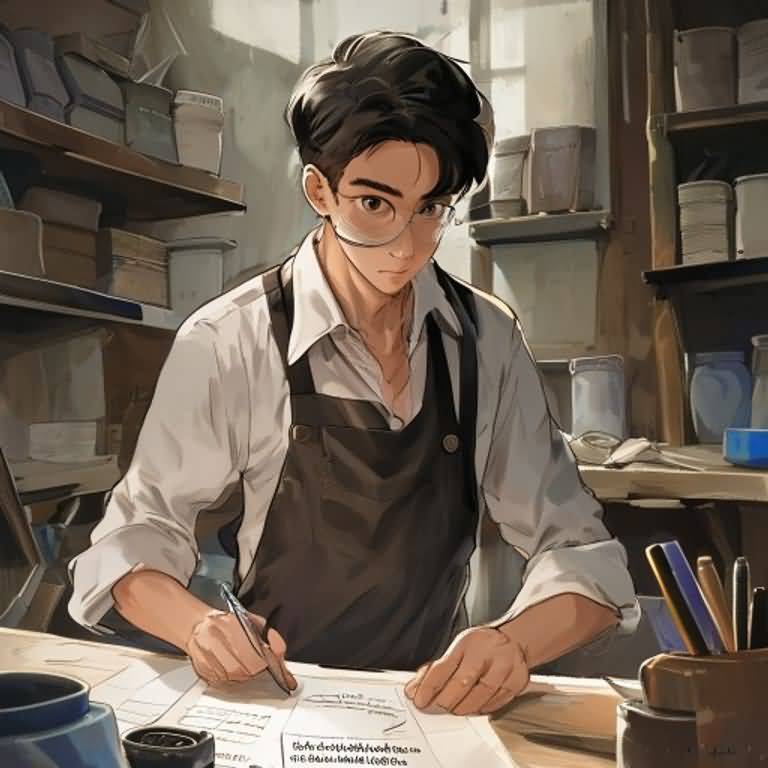
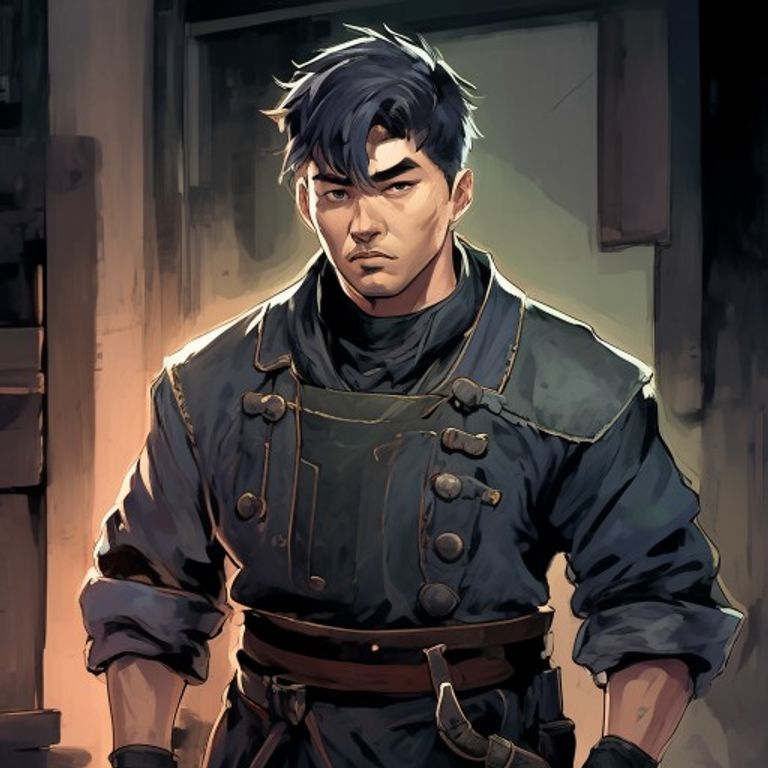
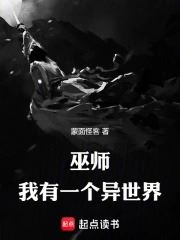
Hua Kong, a thirteen-year-old boy, works as a handyman and accountant in the Chengnan Zhao Ji Ironware Workshop in Duanshan City. His boss, Zhao Da, nicknames him “Little Beggar” and drives away the previous accountant to save money, forcing Hua Kong to handle accounts despite his youth. Hua Kong is literate, having studied for a few years in a private school before his farming parents sent him to the city. He earns half a tael of silver per month with free food and lodging, but he also performs odd jobs and learns blacksmithing skills. His life is monotonous: he accounts for daily transactions, helps deliver goods, and assists in the workshop. During breaks, he hunts in the Duanshan Mountains with friends Zhao Ning, Wang Erlang, Li Gouzi, and Li Shitou. He crafts a steel hand crossbow from scrap materials, which he uses for hunting. The group follows hunting rules, killing only mature males and never overhunting. Hua Kong daydreams about saving silver, learning the blacksmith trade, and marrying by eighteen.One morning, Hua Kong and Zhao Shan deliver ironware to a merchant in the city. After unloading, Hua Kong checks the receipt, a task he is trusted with due to his literacy. On the way back, they buy coal, and Zhao Shan secretly gives him preserved fruit from the merchant. Back at the workshop, the other workers tease him about finding a wife, and Hua Kong flees in embarrassment. At month’s end, the workshop grants a three-day holiday. Hua Kong joins his friends for a hunting expedition. They track a herd of mountain deer, execute an ambush with bows and crossbows, and kill three deer on the first volley. Hua Kong’s hand crossbow hits its mark, impressing his friends. They chase another herd, allowing Zhao Ning and Wang Erlang to claim their kills. The group carries their prey back to the village, with Hua Kong deciding to sell his deer in the city to earn pocket money instead of taking it home, where his sister-in-law might claim it.In Duanshan City, Hua Kong sets up a stall to sell venison. A woman buys three pounds for thirty cash. A drunken man purchases the entire hind leg for a mace and a half of silver, refusing change. Hua Kong throws in the liver out of gratitude. His honest pricing attracts more customers, and within an hour, he sells the entire deer except for the head, offal, and bones. Counting his earnings, he has nearly one tael and two mace of silver. He daydreams about saving five taels for a bride. An old beggar approaches, asking for the bones to make soup. Hua Kong gives him bones with meat attached. The old beggar presses for more, offering a wrinkled book called “Tian Yuan Qi Guiding Art” in exchange for the offal. Hua Kong trades half the offal for the book, then wraps the rest of the offal and bones for the beggar. Disappointed at receiving a health preservation manual instead of something useful, Hua Kong dismisses the encounter. That night, he cooks the remaining bones and offal at home, hiding the book in his clothes. He secures his belongings, including the book and his hand crossbow, in a bamboo basket under his bunk at the workshop.Months pass without incident. Hua Kong continues his routine. Near year’s end, rumors of thefts spread through the village. Villagers report missing items: small tools, oil, salt, chickens, and a pig. Hua Kong suspects the old beggar, as no other strangers have been seen. One hunting day, the group’s dogs grow restless near a small hill. Li Gouzi and Li Shitou investigate and find the old beggar cutting up a pig. The old beggar, recognizing Hua Kong, begs for mercy. The group debates what to do. Wang Erlang suggests reporting him to the authorities, but Hua Kong points out that the stolen goods are worth less than two taels of silver, so officials would merely scold or kick him. Li Gouzi, the pig’s owner, decides to take the pork back. Hua Kong convinces the group to let the old beggar go, noting the futility of punishment. The old beggar, grateful, tells Hua Kong to find him at the Broken Temple outside the east gate if he wants to learn something useful, hinting at hidden knowledge. The group parts ways, with Hua Kong curious but cautious.The old beggar later reveals he was once a martial artist. He teaches Hua Kong a breathing technique from the book, which gradually strengthens Hua Kong’s body and senses. Hua Kong’s skills in hunting and blacksmithing improve. The beggar disappears, leaving Hua Kong to practice the art alone. This chance encounter sets Hua Kong on a path of self-improvement and adventure.


Associated Names

天元战记之器道登仙
Latest Release
DateGroupRelease
2026-05-29lightnovelasia c211
2026-05-29lightnovelasia c210
2026-05-29lightnovelasia c209
2026-05-29lightnovelasia c208
2026-05-29lightnovelasia c207
2026-05-29lightnovelasia c206
2026-05-29lightnovelasia c205
2026-05-29lightnovelasia c204
2026-05-29lightnovelasia c203
2026-05-29lightnovelasia c202
2026-05-29lightnovelasia c201
2026-05-29lightnovelasia c200

Community Reviews

Rating(4.1 / 5.0, 29votes)
5 stars
11(38%)
4 stars
9(31%)
3 stars
9(31%)
2 stars
0(0%)
1 stars
0(0%)

Popular reviewsMore Reviews»

... Read More
I love how the story kicks off with the blacksmith Zhao Da yelling "Little Beggar, come here quickly" — it instantly tells you Hua Kong's low status and his relationship with the boss. The way Hua Kong happily runs over, glad to get out for a walk, already makes you root for him. He's just a kid stuck in a hot forge, and the whole "he likes going out to have fun" bit feels so real. Zhao Da's grumpy attitude, the mom trying to keep peace, the casual banter — it's all very slice-of-life but warm. The dialogue is snappy and natural, no fancy words, just people talking. I was hooked from the first paragraph because it doesn't waste time introducing the world, it just drops you into their daily rhythm.
... Read More
The character of Hua Kong is written so down-to-earth and relatable. He's thirteen, works as a helper and accountant, gets called "Little Beggar" but doesn't really care because he's used to worse taunts from rich kids at school. He's not a genius, not a hero — just a regular boy who wants to save silver, learn a trade, and maybe get married at eighteen. His pig-like smile when he thinks about his future made me laugh out loud. The author doesn't try to make him special or wise beyond his years, and that's what makes him feel like a real person you could meet on the street. Every little thought he has, like complaining about his name or calculating his savings, feels genuine for a kid his age.

... Read More
I really like the detail about Hua Kong being literate because his parents had a surplus harvest and sent him to school for a few years. It's such a small thing but it shapes his whole position in the ironware shop — he does the accounts and also the labor, which saves Zhao Da money. The contrast between the old accountant who sat in his room all day reading idle books and Hua Kong who has to work twice as hard for a third of the pay is handled well. It shows how Zhao Da is cheap and a bit mean, but also how Hua Kong doesn't complain too much because he knows he's learning a craft. The whole backstory about classmates and fights just adds layers to why he's so easygoing now.
... Read More
The setting of Duanshan City feels really lived-in. A medium-sized city built against the Helian Mountains, famous for its ironware, with a population of about 100,000. The description of how everyone gets up early to work before the midday heat, the stone slab roads, the merchant houses, the coal shops — it's all very grounded. I can almost smell the forge and hear the clanking. The fact that the city exists because of refined iron ore from the mountains makes the whole economy believable. The author spends just enough time on the setting without info-dumping. When Hua Kong walks through the city delivering goods, you get a sense of the place as a living, breathing community.
... Read More
The hunting scene with Hua Kong, Zhao Ning, Wang Erlang, Li Gouzi, and Li Shitou is one of my favorite parts. It's so well-paced — first the dogs get restless, then they find the deer herd, then they use a "Half Moon Formation" to surround them. The rules they follow, like not shooting females or young ones, show they're not greedy hunters. These details make the world feel more authentic, like there's a whole culture of hunting in these villages. Li Gouzi acting as leader, everyone listening to him, the banter and teasing afterward — it's all very natural. And Hua Kong showing off the hand crossbow he made himself, then wiping off fingerprints because he's proud of it, that's such a kid thing to do.
... Read More
The hand crossbow Hua Kong secretly made from the blacksmith who made steel crossbows is a brilliant little detail. It's not a magical weapon, just a tool he made with scrap time and stolen knowledge. When he test-fires it and says "within thirty steps, the prey would be either dead or seriously injured," you can feel his pride. Later in the hunt, he hits his target on the first try with that crossbow, and he jumps up screaming "my small crossbow is really a magic weapon." That moment feels earned because we know he worked hard to make it. It's also a nice setup for possible future skills — he's learning crafts and he's clever. This kind of small personal project makes the character feel proactive.
See all reviews

Characters

See all characters

Custom lists

See all custom Lists