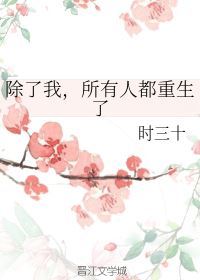
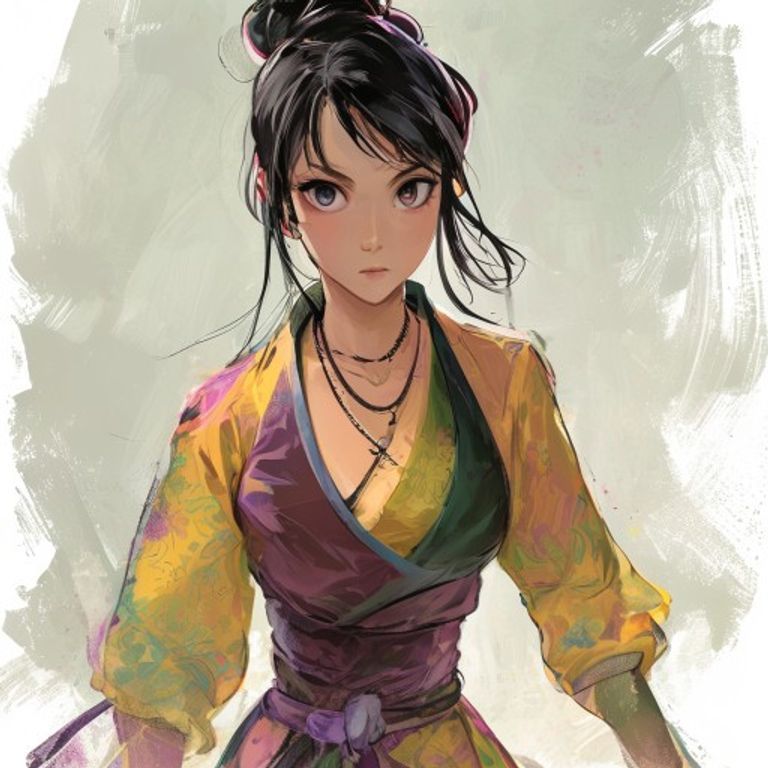
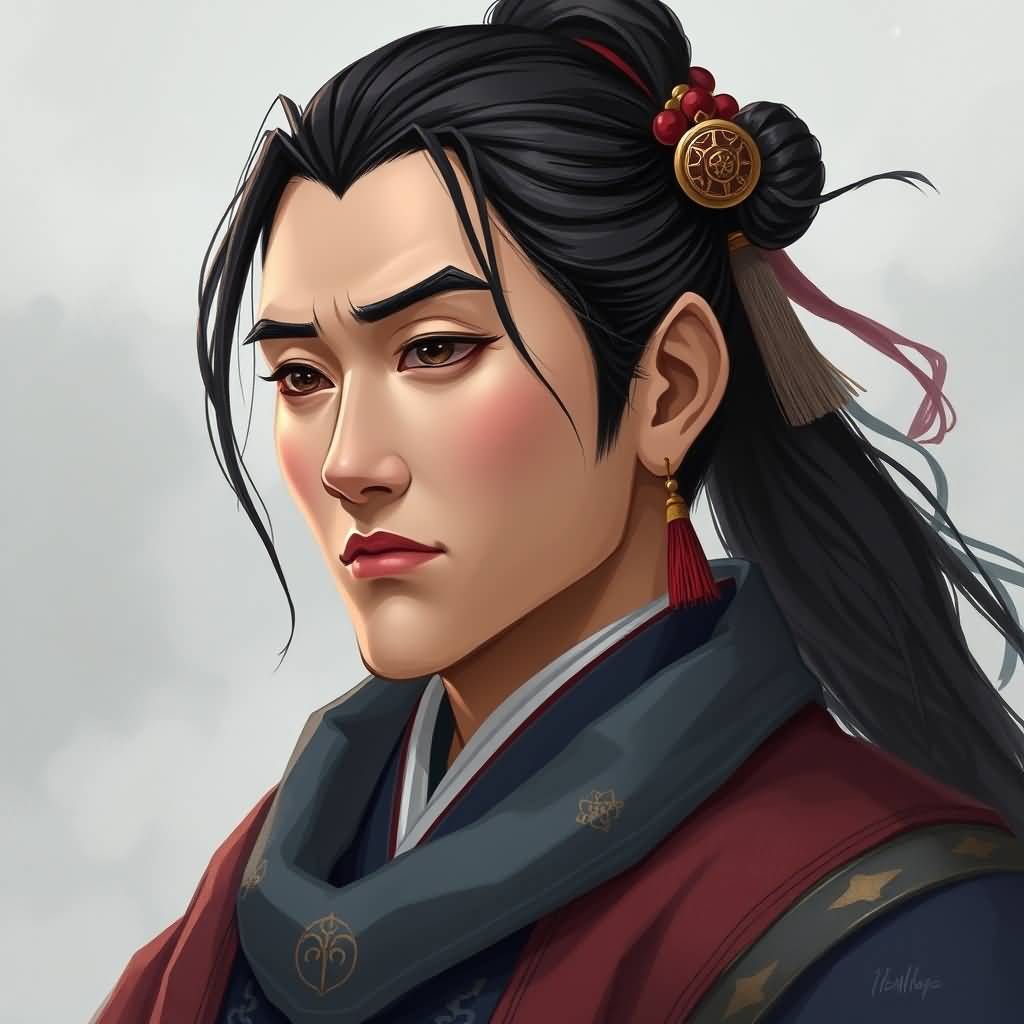
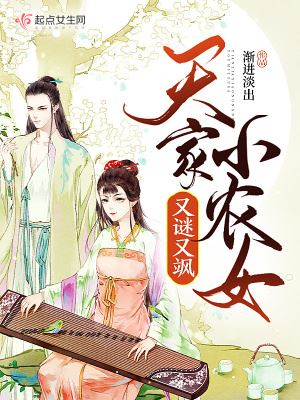
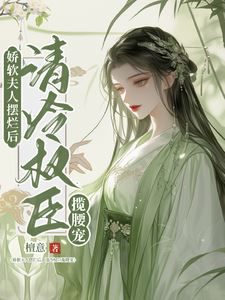
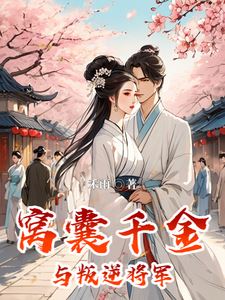
This narrative masterfully intertwines elements of drama, comedy, and regret, creating a rich tapestry of emotions and character development. One of the aspects that I find particularly compelling is the portrayal of the Ning family's struggles with their own ineptitude and naivety. It’s fascinating to witness their internal conflicts as they grapple with the consequences of their actions, yet they seem unable to break free from their own foolishness and stubborn blindness.
Take, for example, their perception of the prince—this character is seen as the adversary, a direct threat to Ah Nuan's happiness. However, one can't help but marvel at the sheer hypocrisy of their stance. They cling to the notion that he is responsible for her misfortune, when, in reality, the root of Ah Nuan's troubles, spanning from the beginning to the current unfolding events, largely stems from the failures of the Ning family itself. Yes, the prince may have made mistakes, but it begs the question: who truly is at fault here?
The ongoing blame directed at him feels misplaced and highlights the family's inability to acknowledge their own role in the unfolding drama. In their quest to protect Ah Nuan, they fail to recognize that they are their own worst enemy. The irony is palpable, and it reflects the complexity of human relationships — how often do we project our failures onto others, ignoring our contributions to our own downfalls?
In the hands of the author, this dynamic adds layers of depth to the story, challenging readers to reflect on themes of accountability and the impact of family dynamics on individual destinies. It's this rich exploration of moral ambiguity that keeps me engaged and eager to see how the story will evolve.