| Date | Group | Release |
|---|---|---|
| 2026-05-29 | lightnovelasia | c83 |
| 2026-05-29 | lightnovelasia | c82 |
| 2026-05-29 | lightnovelasia | c81 |
| 2026-05-29 | lightnovelasia | c80 |
| 2026-05-29 | lightnovelasia | c79 |
| 2026-05-29 | lightnovelasia | c78 |
| 2026-05-29 | lightnovelasia | c77 |
| 2026-05-29 | lightnovelasia | c76 |
| 2026-05-29 | lightnovelasia | c75 |
| 2026-05-29 | lightnovelasia | c74 |
| 2026-05-29 | lightnovelasia | c73 |
| 2026-05-29 | lightnovelasia | c72 |

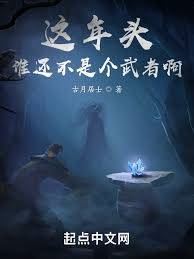
Overall, this first chapter is a masterclass in setting up a web novel. It hooks you with a funny premise, introduces charming characters, builds a fascinating world through comedy, and sets up a deep, ancient mystery. The prose is clean and funny. The pacing is relentless. The character voices are distinct. It feels like the start of a very long, very fun ride. It understands its genre perfectly: it’s comedic, it’s fast, it’s full of potential for adventure, and it leaves you wanting more. I’m definitely adding this to my reading list. The voice is just so fresh and unique.

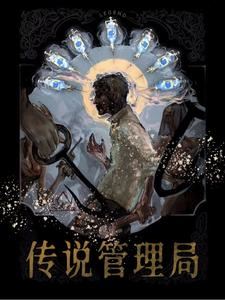
The final image of the "Legend Management Bureau" sign is a perfect cliffhanger. It's not a big explosion or a fight. It's just a sign. But it's the sign of the thing that Cui Jue mentioned. It's the physical proof of the mystery. It turns the abstract idea of "an abandoned bureau" into a physical location Du Yu is now standing in front of. It’s a quiet, creepy, and exciting way to end the first chapter. The adventure is about to start, and it all begins in this rundown shack at the foot of a spooky mountain. I'm ready to see what's inside.

The phrase "Tai Shu" (泰叔) is left untranslated, which is a bit of a puzzle. Is it a person? A demon? A natural law? The way the red-robed judge says "The Legend Management Bureau has been abandoned for nearly a thousand years. Haven't you seen enough Tai Shu?" implies it's a common phenomenon in this world, like a recurring glitch in reality. It's obviously linked to the central mystery. I'm excited to learn what it is. Leaving it untranslated adds a little bit of mystery and encourages the reader to look it up or figure it out from context, which is a smart writing trick.

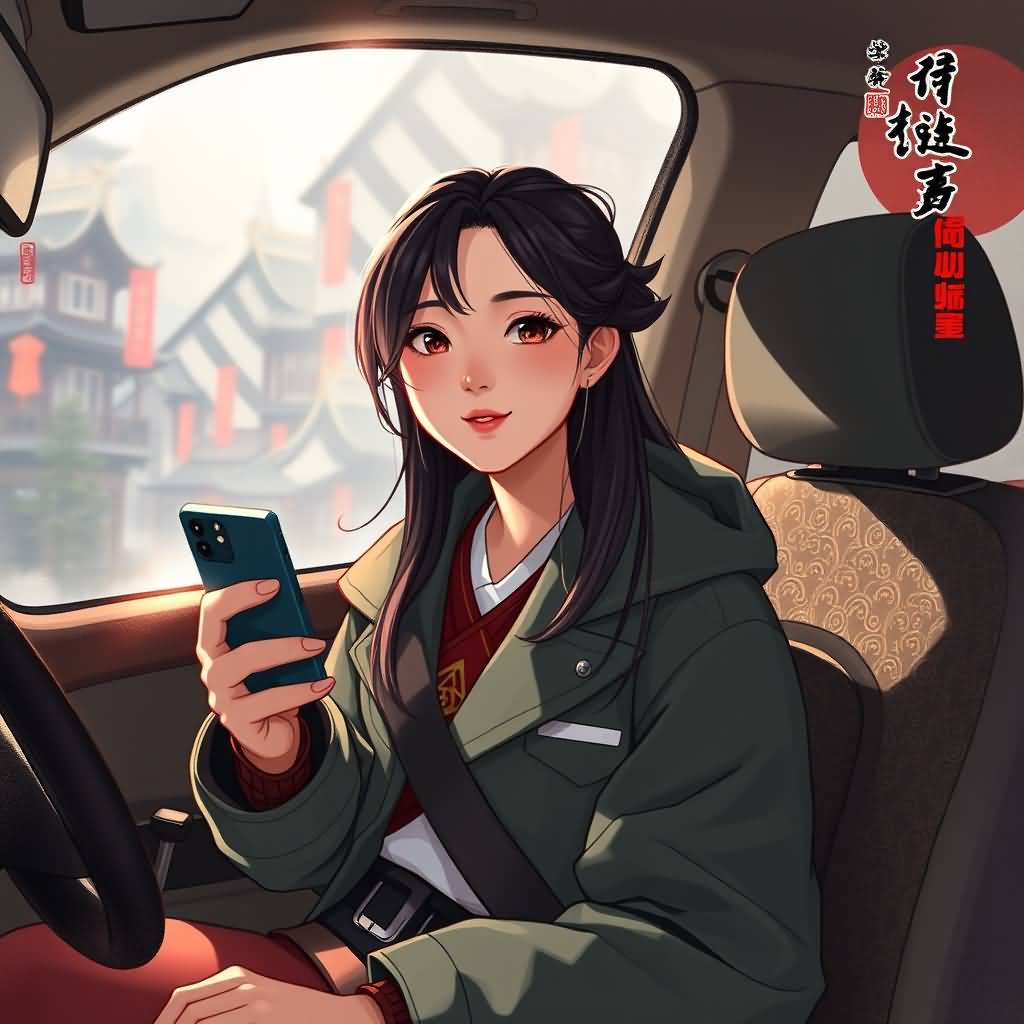
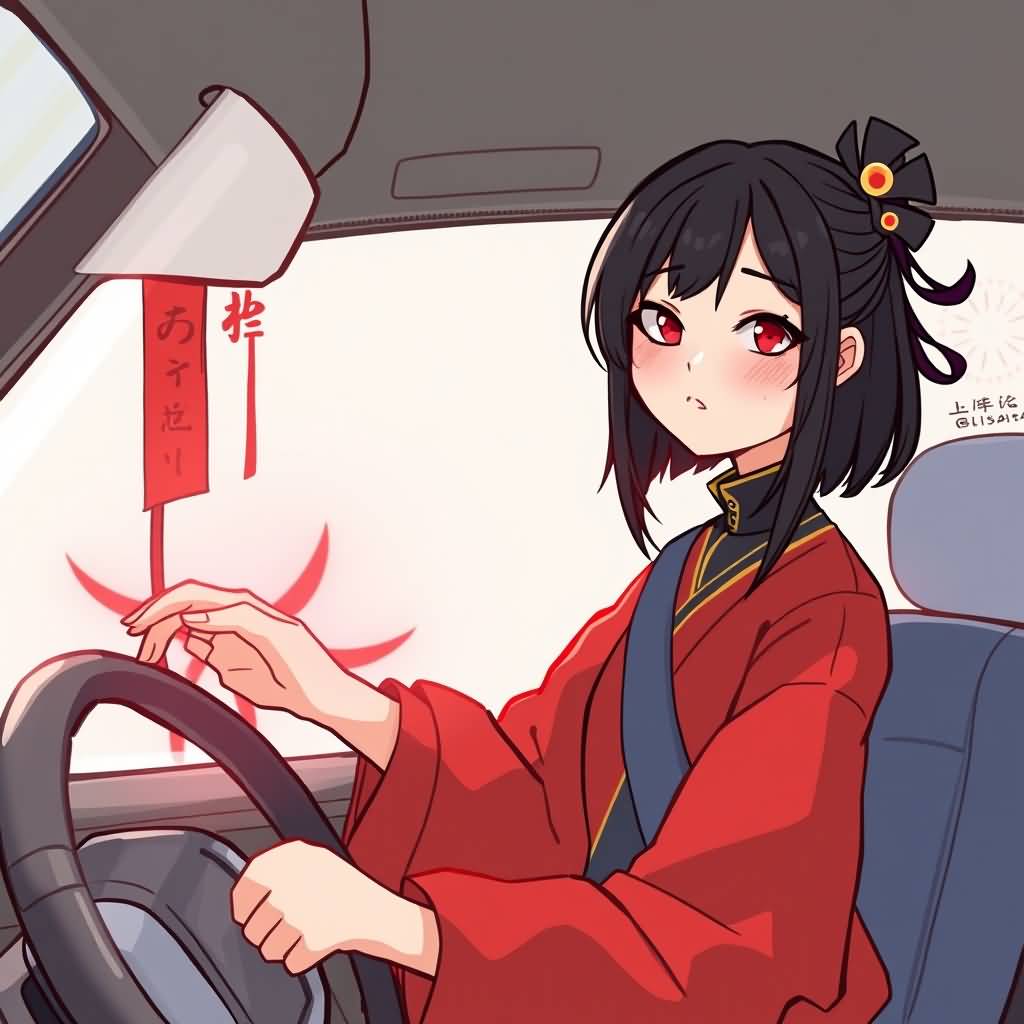
I love the little details about the car. The sticker that says "Please take care of your belongings." The fact that they have to circle for ten minutes looking for a parking spot. It grounds this epic, mythological setting in such small, petty concerns. It's a constant reminder that the supernatural is just another job for these people. They have to deal with traffic, bad parking, and annoying bosses. This blend of the profound and the mundane is the book's greatest strength. It makes the world feel lived-in and hilarious, preventing the story from ever feeling too heavy or pretentious.

Du Yu's decision to choose reincarnation as a rich second-generation is so understandable. He had a boring, poor life. Of course he wants to try the easy path. It's a very human and selfish desire. It makes his ultimate choice to accept the dangerous mission from Cui Jue a real sacrifice. He's giving up his guaranteed (if massively delayed) dream for a chance at a quick reward and a mystery. It shows a hint of ambition that he probably never had in life. This core conflict – the safe but slow path versus the risky but fast one – is a great foundation for his character arc.

The visual of the city in the underworld is stunning: "an enormous ancient city stood majestically underground... filled with ghostly fires, and the lights of countless homes were a faint green glow." It’s a classic but effective description. It uses familiar imagery (an ancient city, a green river) but places it in a totally new context. The "Ghost Gate" being hundreds of meters high gives it a sense of scale that feels both ancient and alien. These descriptions aren't long or poetic, but they are effective. They create a strong sense of place in just a few sentences, which is crucial for a fast-paced story.