Summary

... Read More
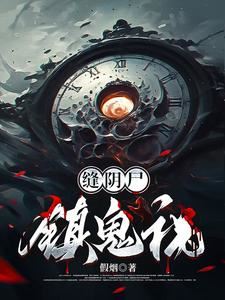
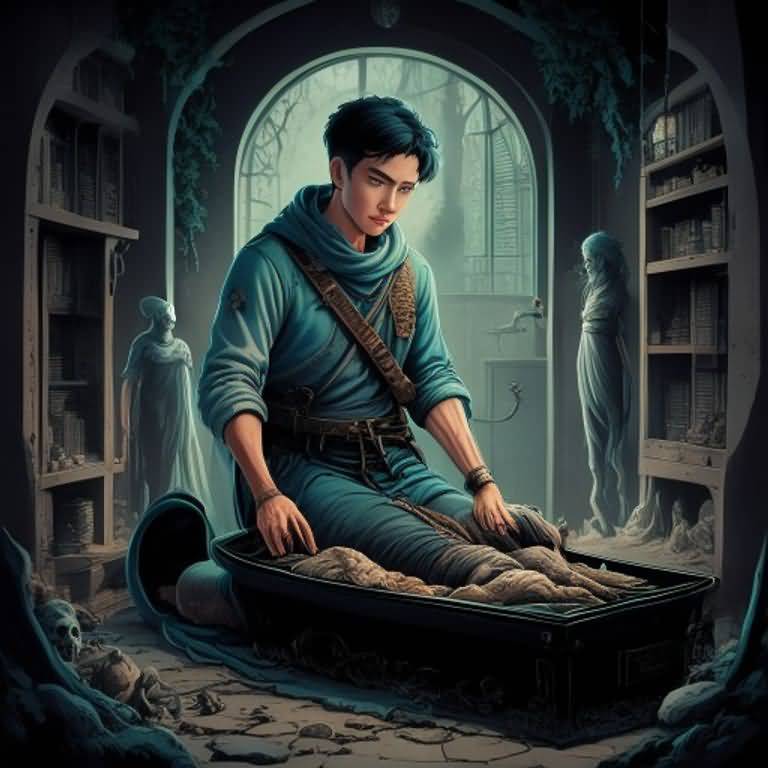
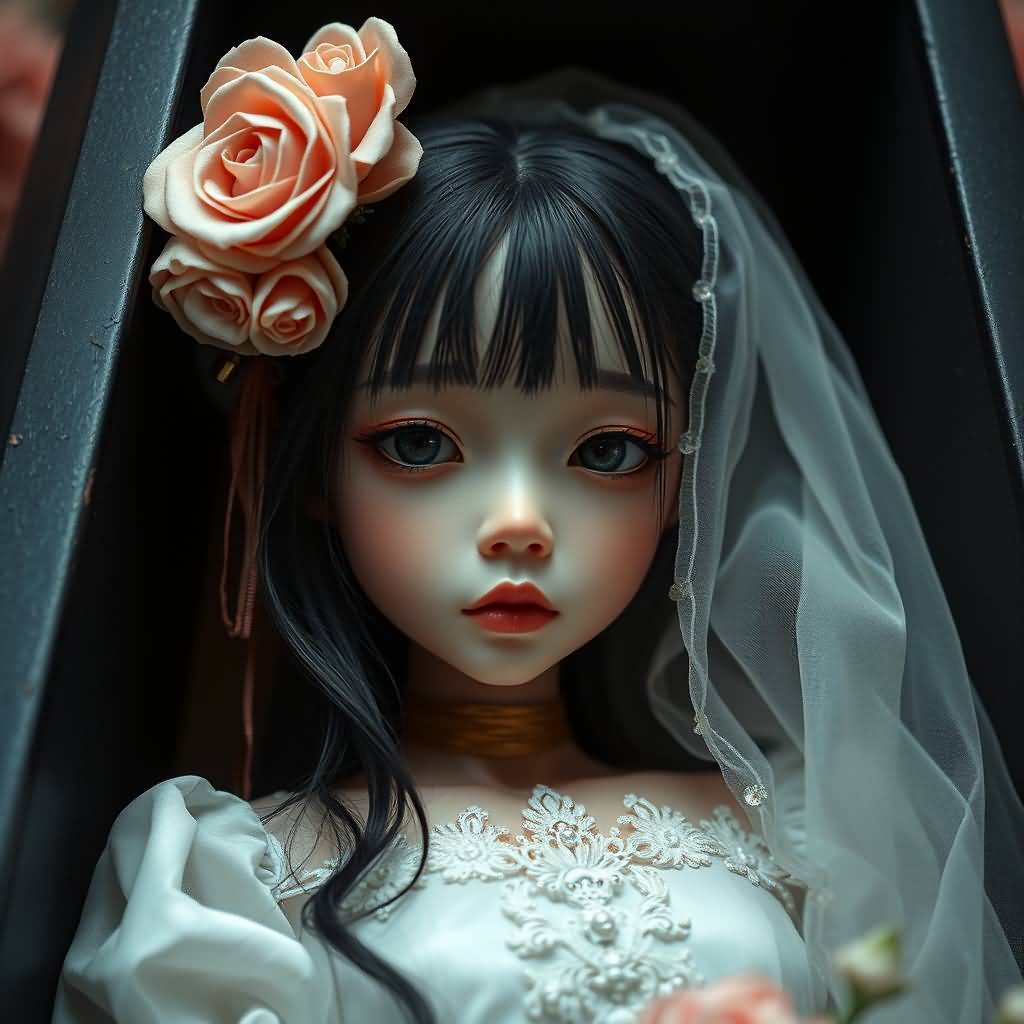
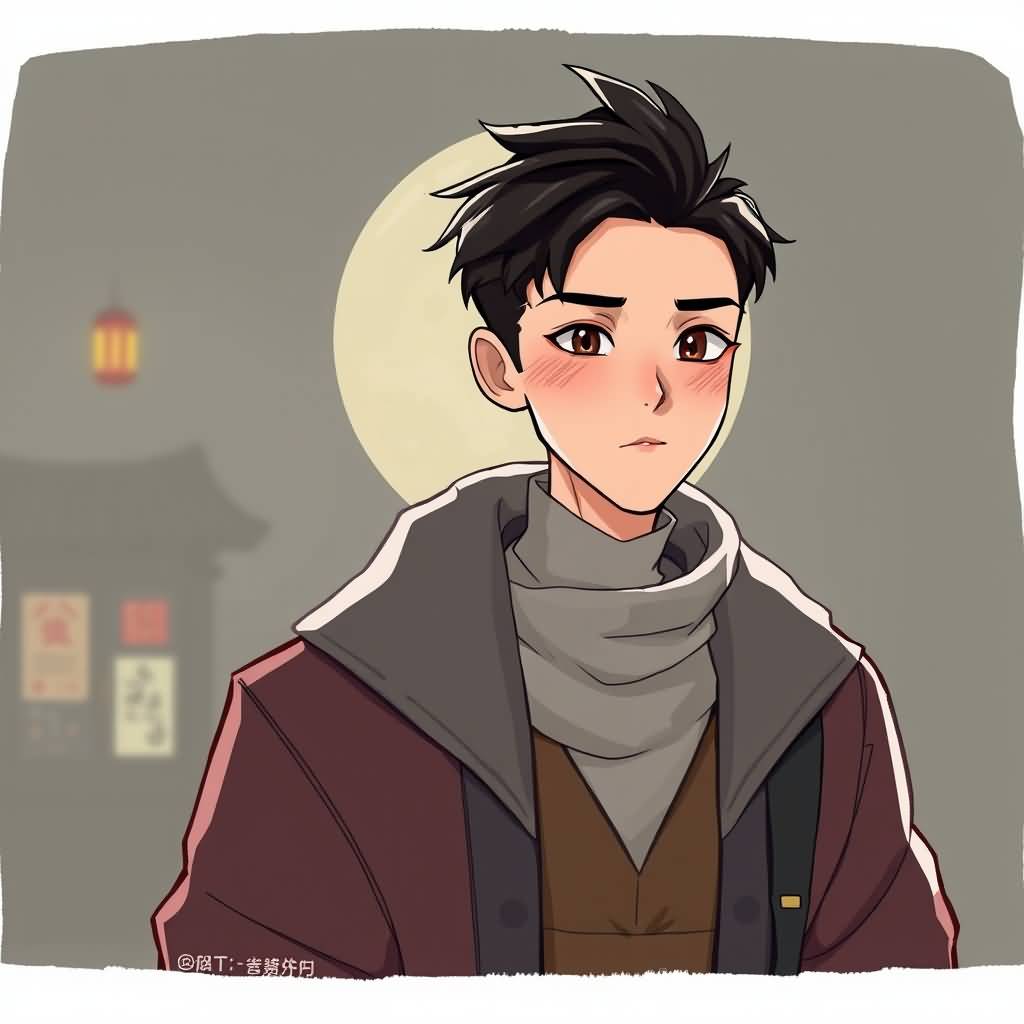
Chen Yan was born without an Earth Soul, leaving him devoid of emotion. He never shed a tear when his mother died, and sewed her head back on himself. His family had been corpse stitchers for generations, and the villagers treated him as a monster, warning their children away. He spent his childhood alone, watching other children play from a distance, his only toys being horrifying dolls his grandfather made from treated pigskin that mimicked human flesh and decay. When he was five, a little girl in a beautiful dress came to the village, gave him candy, and smiled at him. He ran inside to fetch her his favorite doll—one simulating a car accident, with a crushed head and brain matter seeping out. She burst into tears, her mother slapped him, and his grandfather turned the family away. He never saw the girl again until twenty years later, when her body arrived at the mortuary where he worked—dismembered and stitched together. That night, he and his colleague Su Mingyang were tasked with burning a black coffin delivered by eight armed men. Inside lay a beautiful female corpse in a bright red wedding dress. Her skin showed no signs of death, but a seam ran from her neck down her abdomen and groin. The stitching technique matched Chen Yan’s own, using ancient hemp thread soaked in black dog blood and cinnabar. She was not a single corpse—her limbs, torso, and head came from four different people. The arms were large and masculine, the hands calloused and thick. Su Mingyang wanted to call the police, but Chen Yan stopped him, recognizing the danger from the armed men and the luxury cars. They kept vigil, but the incense went out. Chen Yan woke to find Su Mingyang sleepwalking, inhaling incense like a ghost. The female corpse’s eyes had opened, cloudy and full of resentment. Chen Yan cursed at her, slapped her, and she closed her eyes. Then a suona played outside—Ku Wu Geng, a funeral tune. A ghostly wedding procession emerged from the white mist. The attendants wore red wedding clothes and drifted with their feet off the ground. At the front walked a seven-year-old boy holding a black-and-white photo. The photo was Chen Yan at age five. The matchmaker called out for the in-laws to open the door. Chen Yan dragged Su Mingyang inside, blocked the threshold with incense ash, and tried to block the female corpse’s ears from the music. Her chest began to rise and fall, breathing in time with the funeral tune. He lit incense, recited a spell, and scattered paper money around the coffin. The female corpse’s breathing grew stronger. The wedding procession was coming for her, and Chen Yan knew that the little girl from his childhood had returned, now a mutilated corpse stitched from strangers, and that he himself was somehow marked by the photo the ghost boy carried.

Associated Names

缝阴尸,镇鬼祸
Latest Release
DateGroupRelease
2026-05-29lightnovelasia c509
2026-05-29lightnovelasia c508
2026-05-29lightnovelasia c507
2026-05-29lightnovelasia c506
2026-05-29lightnovelasia c505
2026-05-29lightnovelasia c504
2026-05-29lightnovelasia c503
2026-05-29lightnovelasia c502
2026-05-29lightnovelasia c501
2026-05-29lightnovelasia c500
2026-05-29lightnovelasia c499
2026-05-29lightnovelasia c498

Community Reviews

Rating(4 / 5.0, 31votes)
5 stars
11(35%)
4 stars
7(23%)
3 stars
12(39%)
2 stars
0(0%)
1 stars
0(0%)

Popular reviewsMore Reviews»

... Read More
**Review: 5/5 from Chapters 1-120, but rapidly declines to a disheartening -1/5 by Chapter 600** I’m not entirely sure why this novel has received such low ratings. It presents a compelling narrative centered around a Chinese exorcist, where the protagonist, after a near-fatal encounter with a ghost, immerses himself in the art of exorcism and engages in battles against malevolent spirits. Initially, the story captures the quintessential elements of a classic ghost novel, which is quite promising. However, one significant drawback stands out: the author seems to lack a nuanced understanding of female characters. Throughout the tale, the main cast is entirely male, forming a tight-knit brotherhood of close male friends who embark on their adventurous quests together. Unfortunately, female characters are relegated to one of three unsatisfactory archetypes—they are either embodiments of evil, mere sexual objects, or simply spectral entities. While the author doesn’t render his female characters unintelligent, they nonetheless become mired in these repetitive and limiting roles. On the whole, the novel serves well as a ghost story. It is reasonably engaging, featuring a solid plot and commendable writing. The narrative is thrilling, primarily revolving around the protagonist’s narrow escapes from danger. However, it's essential to note that the intensity of the horror elements is somewhat subdued, leaving the frightening factor lacking for those seeking a gripping thrill. Additionally, a basic understanding of Eastern occultism would greatly enhance your reading experience, as the story delves into various esoteric practices prevalent in East and Southeast Asia. Many of the dark and sinister rituals depicted in the novel are rooted in real practices from that region, which adds a level of authenticity, albeit at times confounding for those unfamiliar with the context. Without this foundational knowledge, readers may find some elements of the story disorienting or unexplainably bizarre. In summary, this novel has the potential to be a standout ghost story, particularly in its earlier chapters. However, the decline in quality and depth as the narrative progresses is disappointing. It's a series that might be more fulfilling with the right expectations and background knowledge in Eastern occult traditions.

... Read More
Honestly, the biggest compliment I can give this story is that I forgot I was reading a translated work for most of it. The prose flows so naturally that I was just immersed in the world. The only time I remembered was when the specific cultural terms popped up, but they were explained well enough in context that it didn't break my immersion. The characters feel like real people in an impossible situation. The protagonist's deadpan narration is perfectly matched to his condition. Su Mingyang's overreaction is the perfect foil. The mystery of the stitched corpse and the ghost wedding is compelling. And the childhood flashback adds an emotional weight that makes the horror personal. It's a very well-constructed first chapter. It sets up the world, the rules, the characters, and the main conflict, all while telling a compelling self-contained segment of the story. Not many novels can do that in their opening pages. I am absolutely going to keep reading. This is some quality horror fiction.
... Read More
Overall, after reading the first 500KB of this, my interest is completely locked in. The protagonist's unique condition, the detailed corpse stitching lore, the tragic backstory with the little girl, and the terrifying escalation into a ghost wedding that has him as the groom. This is a story that knows exactly what it wants to be. It's dark, it's atmospheric, it's culturally rich, and it has a strong central hook. The writing is descriptive but not purple, the characters are distinct even if one of them is emotionless, and the horror is genuinely creepy without being overly gory (though the descriptions of the doll and corpse are pretty graphic). It mixes a mystery (who stitched the corpse?), a horror threat (the ghost wedding), and a personal tragedy (the connection to the female corpse) into one compelling package. I'm going to be thinking about that little boy holding the protagonist's baby photo for a long time. That's a villainous introduction that's hard to top.
... Read More
|I'm a little confused about the logistics of the ghost wedding. Are they ghosts, or spirits, or projections of the female corpse's resentment? They seem to be both physical (they have a palanquin and move) and not physical (their feet are off the ground). The incense ash barrier is supposed to stop them, but do they need to pass through a doorway to get to the corpse? Are they limited by physical space? I'm curious how the rules work. Also, what happens if the clock strikes dawn? Does the wedding end? Or does it last until the soul is taken? The protagonist's instructions to Su Mingyang to cover the corpse's ears imply the music is the mechanism for control. So if you block the sound, does the corpse stop breathing? That's a clever weakness. I'm hoping the author explains more of the mechanics of this ritual as the story goes on. The world building is deep enough that I want to know exactly how this "ghost marriage" operates.
... Read More
The way the ghost wedding procession is described as "playing Ka Wu Geng" and then later we find out it's to "inspire the soul of the deceased" is fantastic. The auntie matchmaker's line, "In-laws, open the door quickly, don't delay the auspicious time," is so creepy in context. It sounds like something a real matchmaker would say, but it's being said to a living person about a corpse. The tonal dissonance is perfect horror. Everything about that scene is designed to make the familiar feel foreign and threatening. A wedding should be joyful. A matchmaker should be well-meaning. But here they're all agents of death and chaos. The author is twisting normal life into a nightmare, which is the essence of good horror. The fact that the protagonist's first instinct is to block the door with a brazier shows he's not just going to accept his fate either.
... Read More
The rituals described in the story are fascinating. The incense ash barrier at the door, the Pure Heaven and Earth God Spell, the positioning of the incense candles at the corpse's head and foot. I don't know if these are real folk practices or invented for the story, but they feel authentic. The author clearly did their research or has a deep cultural knowledge. The explanation of why incense ash works, because it's a product of the mortal realm that represents yang and counters yin, is a perfect example of showing your work without info-dumping. It explains the "magic system" in a way that makes sense within the story's logic. It doesn't feel like random nonsense. It feels like applied metaphysics. This makes the threat feel more concrete because there are rules to counter it. And the protagonist knows those rules. That's satisfying.
See all reviews

Characters

See all characters

Custom lists

See all custom Lists